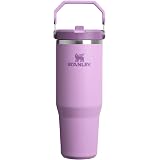
STANLEY IceFlow 2.0 Flip Straw Tumbler, 30 oz, Lilac | Easy Carry Handle | Twist On Lid and Flip Up Straw | Leak Resistant Water Bottle | Insulated Stainless Steel | BPA-Free
$40.79 (as of October 11, 2026 00:53 GMT +00:00 – More infoProduct prices and availability are accurate as of the date/time indicated and are subject to change. Any price and availability information displayed on [relevant Amazon Site(s), as applicable] at the time of purchase will apply to the purchase of this product.)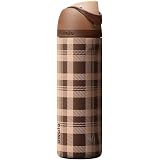
Owala FreeSip Stainless Steel Water Bottle 24 oz Plaid and Simple
$34.99 (as of October 11, 2026 00:53 GMT +00:00 – More infoProduct prices and availability are accurate as of the date/time indicated and are subject to change. Any price and availability information displayed on [relevant Amazon Site(s), as applicable] at the time of purchase will apply to the purchase of this product.)
2026 Topps Holiday Football – Factory Sealed – Mega Box
$29.99 (as of October 11, 2026 00:53 GMT +00:00 – More infoProduct prices and availability are accurate as of the date/time indicated and are subject to change. Any price and availability information displayed on [relevant Amazon Site(s), as applicable] at the time of purchase will apply to the purchase of this product.)
BAND-AID Brand Travel Ready Portable First Aid Kit, 80 Piece | Emergency Essentials for Minor Wound Care, Bandages, Neosporin & Tylenol, Perfect for Home, Car, Camping, Outdoors & Travel
$10.87 (as of October 11, 2026 00:53 GMT +00:00 – More infoProduct prices and availability are accurate as of the date/time indicated and are subject to change. Any price and availability information displayed on [relevant Amazon Site(s), as applicable] at the time of purchase will apply to the purchase of this product.)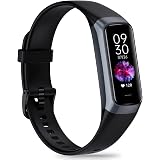
Fitness Tracker with 24/7 Heart Rate, Activity Trackers with Blood Pressure Sleep Monitor, 1.10″ AMOLED Screen Step Tracker, Waterproof Step Counter, Health Smart Watch Pedometer for Women Men
$28.99 (as of October 11, 2026 00:53 GMT +00:00 – More infoProduct prices and availability are accurate as of the date/time indicated and are subject to change. Any price and availability information displayed on [relevant Amazon Site(s), as applicable] at the time of purchase will apply to the purchase of this product.)Biking offers unique challenges and exhilarating experiences that you can only fully appreciate when you start earlier. If you began at 60, you would have had a decade to enjoy the physical benefits, develop your skills, and build a community of fellow riders. By starting at 70, you miss opportunities for adventure, fitness gains, and the chance to explore vast trails. Discover what you could have enjoyed and learn why exploring into mountain biking sooner can enrich your life immensely.

Key Takeaways:
- Starting mountain biking earlier allows for greater fitness improvement and endurance building over time.
- Engaging with a community of bikers fosters social connections and support networks.
- Experience and skill development are accelerated with more years of practice.
- Exploring new trails and locations enriches life experiences and adventure opportunities.
- Earlier engagement can lead to a more profound appreciation for nature and outdoor activities.
The Benefits of Mountain Biking at Any Age
Mountain biking offers numerous advantages regardless of your age, making it an accessible and rewarding activity. It promotes physical fitness, enhances mental resilience, fosters social connections, and allows for exploration of nature. Engaging with this sport can lead to a more active lifestyle, improving not only your health but also your overall quality of life. The journey is filled with thrilling experiences that encourage personal growth and well-being.

Physical Health Improvements
Regular mountain biking significantly enhances your physical health. It boosts cardiovascular fitness, builds strength in your lower body, and improves flexibility and balance. Studies show that biking can burn over 500 calories per hour, helping you manage weight and reduce the risk of chronic diseases like diabetes and heart disease. Even at an older age, these benefits can contribute to a more energetic and longer life.
Mental Health and Well-being
Mountain biking has a profound impact on mental health, providing a sense of freedom and reducing stress. The rhythm of pedaling through natural landscapes boosts endorphin levels, which can improve your mood and combat feelings of anxiety or depression. Additionally, being outdoors enhances your connection to nature, leading to greater mindfulness and contentment.
Engaging with the trails allows you to immerse yourself in nature, which has been linked to enhanced psychological well-being. The concentration required while navigating trails can serve as a form of meditation, drawing your attention away from daily worries. Whether it’s the exhilaration of a downhill run or the serenity of a quiet forest path, these experiences contribute to a more balanced and fulfilling mindset, encouraging you to embrace challenges with a positive outlook.
Overcoming Barriers to Starting Late
Starting mountain biking later in life can seem daunting, but many barriers can be successfully navigated. Age-related concerns, physical fitness levels, and fear of injury often hold you back. Acknowledging these challenges is the first step to overcoming them. With proper training, support, and resources, you can transform apprehension into determination and excitement.
Common Misconceptions
Many believe mountain biking is exclusively for the young and extremely fit. This stereotype can create a mental barrier, making you feel out of place or unqualified. In reality, mountain biking is an inclusive sport with trails and activities tailored for varying skill levels and age groups, debunking the myth that it’s too late to start.

Building Confidence and Skills
Starting small is important for building confidence in mountain biking. You can begin with easy trails to master basic skills, such as balance and braking. Gradually increasing the difficulty of the trails as your comfort grows fosters a sense of achievement, which can boost your overall confidence in biking and beyond.
For instance, consider joining local adult biking classes or clubs where you can ride alongside others who share similar interests. This community support not only encourages you but also helps in developing important skills. Focus on specific techniques like cornering and climbing, which you can practice repeatedly. Additionally, many instructors emphasize the importance of body positioning and braking technique, allowing you to gain mastery as you progress. Incorporating these elements into your rides helps build confidence and makes the learning experience enjoyable, encouraging you to venture into more challenging terrains as you develop your biking prowess.
Community and Social Benefits
Mountain biking fosters a vibrant community that offers support, camaraderie, and a sense of belonging. Engaging with fellow riders creates connections that extend beyond the trails, enhancing your overall experience and promoting a healthier lifestyle.
Connecting with Fellow Riders
When you hit the trails, you’ll find yourself surrounded by a diverse group of enthusiasts who share your passion for biking. Conversations often flow easily, and friendships can develop quickly as you bond over shared experiences and challenges faced on the ride.
Participating in Group Events
Group events bring the thrill of racing, navigating new terrains, or simply enjoying a leisurely ride with others. Joining organized rides or competitions not only boosts your skill level but also immerses you in a supportive network that can enhance your motivation and enjoyment of the sport.
Participating in group events provides numerous opportunities to strengthen your biking skills while also expanding your social circle. Engaging in local races, charity rides, or community gatherings can expose you to various environments and riding styles, making each outing both exciting and educational. These events often feature post-ride socializing, allowing you to establish deeper connections with fellow bikers who might become lifelong friends. The thrill of competing or simply riding alongside others creates lasting memories, fostering a sense of community that enriches your mountain biking journey.
Equipment and Gear: What You Need to Know
When venturing into mountain biking, having the right equipment and gear can significantly enhance your experience and performance. Understanding what you need not only safeguards your health but also maximizes the fun. The mountain biking landscape offers a variety of bikes and gear tailored to different terrains and skill levels, making it easy to find what suits you best. Investing in quality equipment ensures comfort and safety, setting the stage for memorable rides.
Choosing the Right Bike
Selecting the right bike is necessary for enjoyable and efficient riding. Consider factors like the type of terrain you’ll frequent—mountain bikes are typically categorized into hardtails and full-suspension designs. Test riding different styles helps you gauge comfort and handling. At your skill level, a reliable beginner-friendly mountain bike will likely provide the balance of features and affordability to meet your needs without overwhelming you.
Essential Safety Gear
Safety gear plays a vital role in reducing the risk of injury while mountain biking. At a minimum, you should invest in a properly fitted helmet, gloves, and knee pads. These items protect against common injuries from falls or collisions, particularly on tricky trails. As your confidence grows, consider adding elbow pads and protective eyewear for added safety and visibility.
Helmets should meet safety standards and fit snugly without wobbling. Look for gloves with good grip for better handle control. Knee and elbow pads provide critical cushioning during tumbles, especially on rugged terrains. Additionally, wearing bright or reflective clothing increases visibility to others on the trails. Ensuring you have this necessary safety gear not only protects you but also allows you to ride with greater confidence and peace of mind.

Learning Curves: Skills Development
As you begin on your mountain biking journey, you’ll quickly discover that skill development is a fundamental part of the experience. The learning curves can be steep, especially when you start tackling varied terrain. Each ride presents opportunities to refine your techniques, build confidence, and improve your stamina, ultimately creating a more rewarding biking experience.
Techniques for Beginners
Beginner techniques focus on foundational skills, such as body positioning, braking, and navigating obstacles. You should practice keeping your elbows bent and your knees slightly flexed to maintain stability. Familiarizing yourself with your bike’s gears and learning to shift effectively will also help you adapt to different inclines and terrain types.
Progressing to Intermediate Levels
Once you’ve mastered basic skills, you can begin pushing your limits by experimenting with more advanced techniques. This includes cornering, jumping, and descending confidently. Incorporating trail features like roots and rocks into your rides will challenge your balance and overall control, helping you develop the muscle memory needed for more technical trails.
Progressing to intermediate levels requires dedication and practice, which often means committing to regular rides. Incorporate drills, such as practicing cornering or braking on descents, into your routine. Additionally, joining a group ride can provide valuable insights as well as exposure to different terrains, allowing you to witness various riding styles firsthand. Set achievable goals, like tackling a challenging trail once a month, to motivate your growth and enhance your overall biking proficiency.
The Joy of Exploration and Adventure
Every pedal stroke opens the door to new experiences, allowing you to discover hidden gems within nature. Mountain biking invites you to explore remote trails that weave through breathtaking landscapes, from dense forests to rugged mountains. Each ride offers a unique opportunity to connect with unfamiliar terrain, pushing your limits while immersing you in the thrill of adventure. With every turn, you gain a deeper appreciation for the outdoors and the excitement that comes with uncovering the beauty of your surroundings.
Discovering New Trails
Your mountain biking journey introduces an array of trails waiting to be explored. You may find yourself navigating a challenging ascent, encountering breathtaking views, or riding along serene paths that many never discover. Each new trail adds layers to your adventure, turning your rides into memorable experiences filled with surprises at every corner.
Embracing Nature and the Outdoors
As you bike through the great outdoors, the experience transcends mere physical activity. The sights, sounds, and scents of nature become intertwined with your rides; the rustle of leaves and the chirping of birds enhance your sense of freedom. Biking provides an opportunity to escape the constraints of daily life, revitalizing your spirit as you embrace the tranquility and beauty of your surroundings.
Being outdoors amplifies your connection to the environment. Scientific studies show that spending time in nature can significantly reduce stress and improve mental well-being. While riding, you witness the changing seasons firsthand, observe wildlife, and appreciate the intricate details of the landscape. The rhythmic motion of pedaling, combined with fresh air, fosters a meditative state, inviting a profound sense of peace and fulfillment that enriches your health and overall life experience.
Summing up
Ultimately, starting mountain biking at 60 instead of 70 would have allowed you to experience more years of enjoyment, fitness, and camaraderie in the trails. You would have developed your skills, confidence, and enjoyed the thrill of the ride much sooner. Embracing the sport earlier could have enriched your life with countless adventures and friendships, making it a journey you would cherish even more. The missed opportunities for growth and excitement highlight the benefits of pursuing passions without delay.
FAQ
Q: What are the benefits of starting mountain biking later in life?
A: Starting mountain biking at a later age can significantly improve physical health, provide opportunities for social interaction, and foster a sense of adventure. It offers low-impact exercise, enhances cardiovascular health, and strengthens muscles while allowing for personal growth and exploration.
Q: How can I ensure safety while mountain biking at 60?
A: Safety can be ensured by wearing a proper helmet, using appropriate gear, and selecting suitable trails that match your skill level. It’s also important to ride with others, learn basic bike maintenance, and follow trail etiquette to avoid accidents.
Q: What skills should I focus on when starting mountain biking later in life?
A: Focus on developing bike handling skills, balance, and braking techniques. Additionally, learning how to navigate different terrains and mastering gear shifting can greatly enhance your riding experience and confidence on the trail.
Q: How does mountain biking impact mental health as we age?
A: Mountain biking can reduce stress, improve mood, and combat feelings of anxiety or depression. The combination of physical activity, exposure to nature, and social bonds formed during rides contribute positively to mental well-being.
Q: What are common challenges faced by older adults starting mountain biking?
A: Common challenges include physical limitations, fear of injury, and mastering new skills. It may take longer to adapt to biking techniques, and motivation can wane without support. Setting realistic goals and gradually increasing difficulty can help overcome these obstacles.
Author

Auto Amazon Links: No products found.
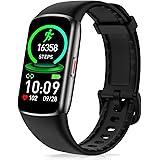
Zeacool Fitness Tracker with 24/7 Heart Rate, Blood Oxygen Sleep Monitor, 123 Sports Modes Calories Smart Watch,IP68 Waterproof Step Counter Activity Trackers Health Pedometer for Women Men
$33.99 (as of October 11, 2026 00:53 GMT +00:00 – More infoProduct prices and availability are accurate as of the date/time indicated and are subject to change. Any price and availability information displayed on [relevant Amazon Site(s), as applicable] at the time of purchase will apply to the purchase of this product.)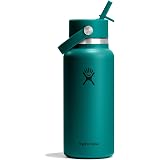
Hydro Flask Water Bottle – Insulated Stainless Steel – Wide Mouth Flex Straw Lid, Non Spill, Leakproof and Refillable in 32 Oz Deep Teal
$44.95 (as of October 11, 2026 00:53 GMT +00:00 – More infoProduct prices and availability are accurate as of the date/time indicated and are subject to change. Any price and availability information displayed on [relevant Amazon Site(s), as applicable] at the time of purchase will apply to the purchase of this product.)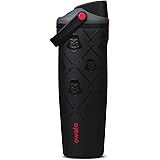
Owala Star Wars FreeSip Sway Stainless Steel Water Bottle 30oz Darth Vader
$39.99 (as of October 11, 2026 00:53 GMT +00:00 – More infoProduct prices and availability are accurate as of the date/time indicated and are subject to change. Any price and availability information displayed on [relevant Amazon Site(s), as applicable] at the time of purchase will apply to the purchase of this product.)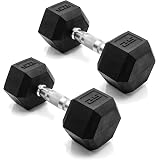
CAP Rubber Coated Dumbbell Weights, Free Weights for Home Gym Strength Training, Anti-Roll Hex Dumbbells with Black, Chrome & Comfort Grip Handles, Pairs & Sets
$57.99 (as of October 11, 2026 00:53 GMT +00:00 – More infoProduct prices and availability are accurate as of the date/time indicated and are subject to change. Any price and availability information displayed on [relevant Amazon Site(s), as applicable] at the time of purchase will apply to the purchase of this product.)
Leave a Reply