
Bearwind Electric Hand Warmers Rechargeable 2 Pack,Floral Art Design Magnetic Hand Warmers,0.1S Safe&Fast Heating Cute Portable Mini Hand Warmers,Gifts for Women Her Mom,Christmas Stocking Stuffers
$14.99 (as of November 1, 2026 01:53 GMT +00:00 – More infoProduct prices and availability are accurate as of the date/time indicated and are subject to change. Any price and availability information displayed on [relevant Amazon Site(s), as applicable] at the time of purchase will apply to the purchase of this product.)
EA SPORTS College Football 27 – Standard Edition PS5 |Disc I VideoGame
$49.94 (as of November 1, 2026 01:53 GMT +00:00 – More infoProduct prices and availability are accurate as of the date/time indicated and are subject to change. Any price and availability information displayed on [relevant Amazon Site(s), as applicable] at the time of purchase will apply to the purchase of this product.)
Hydro Flask Water Bottle – Insulated Stainless Steel – Non Spill, Leakproof in 24 Oz Deep Teal
$39.95 (as of November 1, 2026 01:53 GMT +00:00 – More infoProduct prices and availability are accurate as of the date/time indicated and are subject to change. Any price and availability information displayed on [relevant Amazon Site(s), as applicable] at the time of purchase will apply to the purchase of this product.)
CoreMuse Camping Water Container 2.1 Gallon Collapsible Water Jug with Spout – Reusable Plastic Flasks, Foldable Empty Gallon Jug for Water Storage, Water Bag for Outdoor Hiking Emergency Prep -1 Pack
$8.88 (as of November 1, 2026 01:53 GMT +00:00 – More infoProduct prices and availability are accurate as of the date/time indicated and are subject to change. Any price and availability information displayed on [relevant Amazon Site(s), as applicable] at the time of purchase will apply to the purchase of this product.)
Peak Refuel Chicken Alfredo Freeze-Dried Meal, 48g Protein, 2 Servings | 48g protein, 100% real meat, Non-GMO ingredients, No fillers, Freeze-dried, Just add water, 2 servings, Backpacking meal
(as of November 1, 2026 01:53 GMT +00:00 – More infoProduct prices and availability are accurate as of the date/time indicated and are subject to change. Any price and availability information displayed on [relevant Amazon Site(s), as applicable] at the time of purchase will apply to the purchase of this product.)Seniors benefit from Bentonville’s deliberately designed easy-flow trails that prioritize smooth lines, gentle grades, and built-in rest zones so you can ride confidently at your pace; upgraded trail surfaces, clear signage, accessible trailheads, and local programs offering rentals, coaching, and shuttle support make your outings safer and more social, while community planning and advocacy ensure ongoing maintenance and age-friendly improvements.
Key Takeaways:
- Trail design prioritizes easy flow: gentle grades, smooth surfaces, low-impact rollers and berms that maintain momentum without technical difficulty.
- Accessibility and proximity: many trailheads are close to town, parking, paved connectors and bike-friendly infrastructure, making short outings simple for seniors.
- Supportive services: bike rentals, e-bike availability, shuttle options and on-site amenities (restrooms, benches) reduce logistical barriers.
- Programs for older riders: guided rides, clinics and community groups focused on skill-building and confidence tailored to senior needs.
- Strong stewardship and maintenance: regular grooming, clear signage and ongoing investment by local agencies and volunteer groups keep trails safe and welcoming.
The Rise of Bentonville as a Mountain Biking Destination
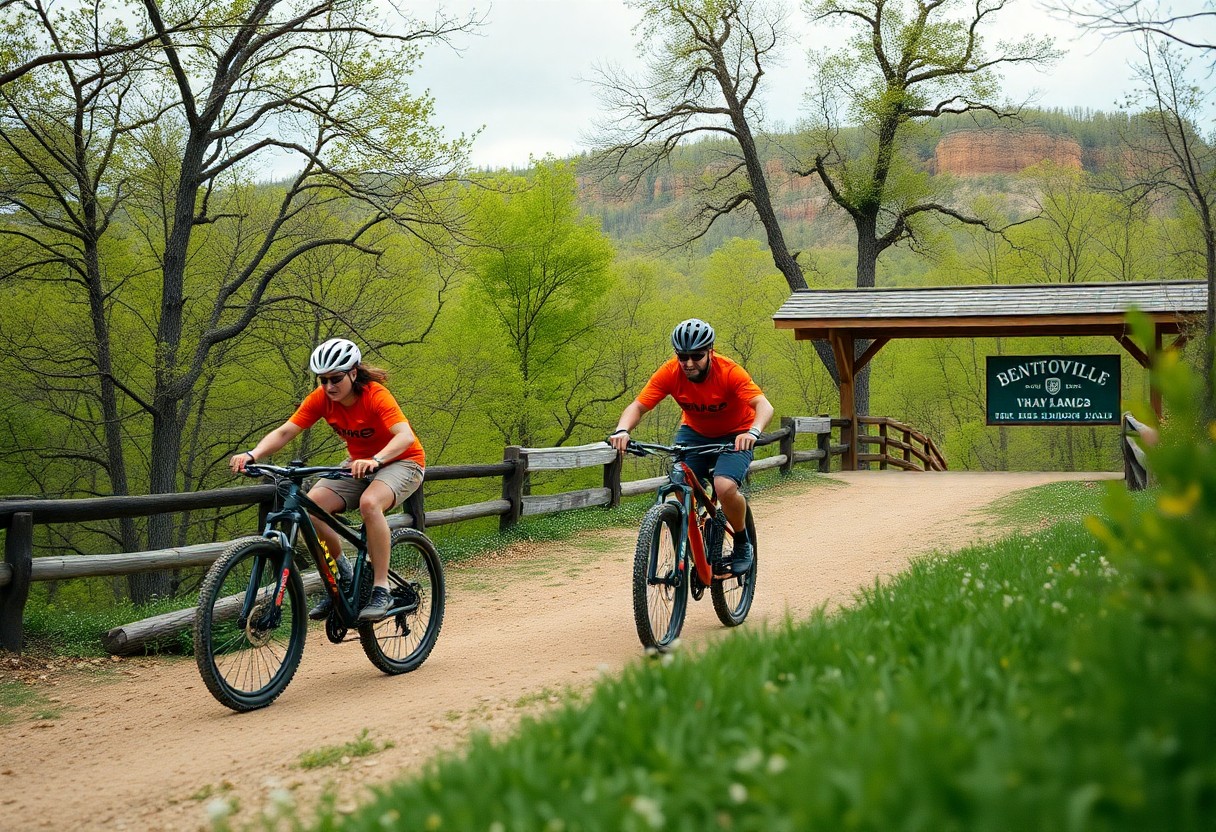
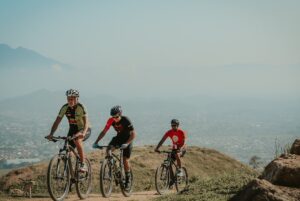
You see Bentonville’s transformation in concrete terms: Coler Mountain Bike Preserve opened in 2017 with roughly 17 miles of purpose-built singletrack, the Razorback Regional Greenway provides a 36.8-mile paved spine, and together those assets link you to well over 100 miles of mountain-bike friendly terrain within a 30-minute drive of downtown, drawing riders of all ages and skill levels who value accessible, flow-focused trails close to town.

Historical Context
You can trace the growth to grassroots trail builders and early-adopter riders in the 2000s and 2010s who turned informal routes into maintained singletrack; city planners then codified trail goals, prioritizing downtown connectivity and year-round access. Volunteer crews and local clubs helped convert old service roads into beginner-friendly flow lines, and hosting regional events and demo days amplified national attention, accelerating both usage and funding.
Investment in Outdoor Recreation
You experience the payoff of coordinated funding: the City of Bentonville, Walton Family Foundation grants, and private donors have directed millions into trail construction, wayfinding, and amenities like paved parking and restroom-equipped trailheads. Public-private partnerships underwrite routine maintenance and targeted expansions, so you encounter professionally built, low-gradient flow features designed for longevity and broad accessibility.
More specifically, funding blends foundation grants, municipal capital allocation, corporate sponsorship (with Walmart headquartered nearby), and volunteer labor to reduce costs; professional trail contractors were hired for features that prioritize smooth grades and wide berms, while city funds covered infrastructure-trailheads, signage, and connectivity to the 36.8-mile Razorback Greenway-ensuring the trails you ride stay safe, easy to find, and well maintained.
Understanding Easy Flow Trails
Easy flow trails deliver predictable rhythm through machine-built berms, gentle rollers and consistently graded pitches so you can maintain momentum without technical hops. In Bentonville, Coler Mountain Bike Preserve and nearby Slaughter Pen offer over 20 miles of interconnected beginner-to-low-intermediate lines that let you focus on cadence and cornering technique while reducing abrupt braking and remounting, which is especially helpful for preserving joint comfort and confidence on longer rides.
Design Features
Banked berms are often 3-5 feet wide to give you forgiving line choice, while rollers typically measure 6-24 inches so they’re rollable rather than jump-only. Trails commonly hold grades under 5% and provide sightlines of 30-50 meters to read upcoming features. Designers space bailout lines and rest areas every 100-300 meters, use compacted crusher-fines or packed dirt for traction, and remove blind crests to keep your ride smooth and predictable.

Safety Considerations
You should ride with a certified helmet, gloves and at least knee protection, matching speed to your sight distance so you can stop within view. Follow green/blue trail ratings, yield to uphill traffic, signal intent on passes, and pick lines that avoid drops; simple prep like a quick pre-ride inspection and lowering tire pressure slightly for comfort can reduce mishaps on flow terrain.
Local trail stewardship in Bentonville provides clear wayfinding at major trailheads and posts trail-status updates online and at kiosks, so you can check closures before you go. Bring a basic repair kit (multi-tool, spare tube or patch, pump), carry roughly 1 liter of water, and tell someone your planned loop and estimated return. Practice controlled dismounts and remounts on flat sections, and if a feature feels beyond your skill, walk it-many flow trails include roll-around lines specifically for that purpose.
Benefits of Mountain Biking for Seniors
You gain a blend of aerobic conditioning, strength, balance and social engagement that other activities often lack. The AHA/CDC guideline of 150 minutes of moderate activity per week fits well into multiple 30-60 minute flow-trail rides, and easy trails let you sustain heart-rate zones that improve cardiovascular health while minimizing joint impact. In Bentonville, gentle berms and rollers let you focus on steady effort rather than technical strain.
Physical Health
You build leg strength, core stability and joint mobility through repeated pedaling and body positioning. Riding 3-5 times weekly for 30-60 minutes raises VO2 and helps control blood pressure and glucose; cycling’s low-impact nature is easier on arthritic knees than running. Targeted balance and strength work integrated into rides can lower fall risk by roughly 23-30% according to exercise program meta-analyses.
Mental Well-Being
You experience immediate mood lifts from endorphins and longer-term gains in cognitive resilience. Outdoor cycling in green spaces reduces stress markers and enhances attention compared with indoor exercise, while the rhythmic focus of flow trails calms anxious thoughts and boosts confidence after consistent rides.
You also tap into social and restorative benefits unique to Bentonville’s scene: guided senior clinics, weekly group rides and trail-side camaraderie improve adherence and reduce isolation. Research links nature exposure to lower rumination and fewer depressive symptoms, so combining group support with regular green exercise amplifies mental-health returns over time.
Community Initiatives Supporting Seniors in Mountain Biking
Local Clubs and Organizations
Bentonville Parks & Recreation, Oz Trails volunteer crews, and local bike clubs coordinate rides, trail maintenance, and mentorship programs so you can plug into a ready-made community; many groups run twice-weekly senior-friendly rides, organize monthly volunteer trail days with 50-100 volunteers, and partner with the Walton Family Foundation on funding and outreach to expand accessible routing and skills areas.
Events and Workshops
Coler Mountain Bike Preserve and Parks & Rec host seasonal clinics and guided easy-flow rides that you can join-sessions typically run 90-120 minutes, are limited to 6-12 participants, and focus on balance, braking, and low-speed cornering to build confidence on singletrack.
More in-depth workshops pair IMBA- or certified-coach instruction with hands-on practice at Coler’s skills park; you’ll get drill-based progressions, one-on-one feedback, and often an adaptive-equipment demo. Registration is usually through the Parks & Rec portal or local shops, and repeat offerings let you track measurable gains in handling and comfort across 3-6 sessions.
Testimonials from Senior Riders
Personal Experiences
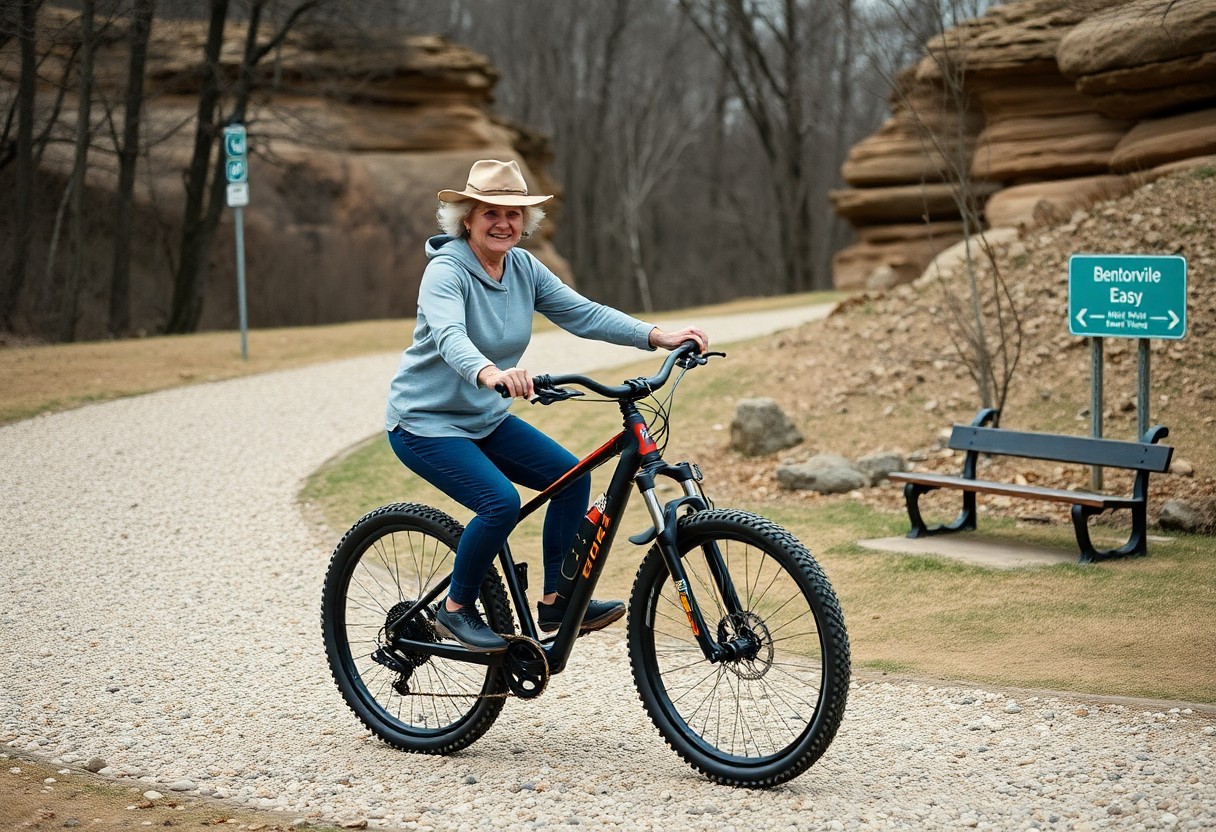
At Coler Mountain Bike Preserve, a 68-year-old rider you may meet rides the 3-mile Easy Flow loop twice weekly, praising banked turns and compact rollers that keep speed steady; she credits a 15-minute warmup, lower tire pressure (18-20 psi), and weekly balance drills for staying confident on berms and small rock features. You’ll also hear about buddy groups of 4-6 seniors who pace each other and cover 10-12 miles per outing.
Encouragement and Challenges
While the easy-flow design reduces technical stress, you may still face short climbs (up to roughly 8% grade) and occasional loose sections; local 90-minute skills clinics and guided rides help you adapt technique, and e-bike rentals let you extend outings from 5 to 15 miles without added joint strain. Community volunteers often pace new riders through their first three rides.
Progression works best when you set measurable steps: you can build from 2-mile laps twice weekly to 6-8-mile rides over six weeks, add two strength or balance sessions per week, and practice controlled descents on 100-200 meter pitches; a professional bike fit, wider tires (around 2.4″), or a mid-drive e-assist can markedly improve comfort and control as your confidence grows.
Future of Mountain Biking in Bentonville for Seniors
You’ll notice the next phase focuses on accessibility and comfort: plans call for 10+ miles of additional easy-flow singletrack and three new trailheads with paved parking and rest areas over the next two years, plus pilot e-bike charging stations at key nodes. Designers are lowering berm heights, smoothing gradients to under 6-8% where possible, and adding more benches and shade to make your rides longer and more enjoyable.
Upcoming Developments
Over the coming 18-24 months you can expect targeted upgrades: 5 new senior-friendly connector loops, extended signage with larger fonts and pictograms, and two-way trail etiquette campaigns paired with guided “soft-start” group rides. Funding from local government and Walton Family Foundation grants is underwriting these builds, while contractors are using GPS-aligned treads to speed construction and limit off-trail wandering for riders of all abilities.
Sustainability Practices
Trail teams are combining low-impact construction-grade reversals, rolling dips, and rock-armored drain crossings-with native-seed revegetation so you ride on stable surfaces and the surrounding hills recover quickly. Volunteer trail days, drawing roughly 30-60 people monthly, support ongoing maintenance and teach you how small actions (staying on tread, avoiding muddy sections) protect the singletrack you love.
On-the-ground monitoring complements those practices: trail counters, quarterly erosion checks, and maintenance logs guide interventions so crews address hotspots before trail failure. You’ll see rebuilt crossings using locally sourced stone, signs noting seasonal detours to protect wet soils, and a growing corps of trained stewards who apply US Forest Service and IMBA-aligned standards to keep your rides sustainable and long-lasting.
Conclusion
Taking this into account, Bentonville’s thoughtfully designed easy-flow trails, gentle gradients, smooth surfaces and frequent rest points let you ride with greater confidence and comfort as a senior. The city’s investment in clear signage, accessible trailheads, excellent maintenance, supportive local bike shops and instructional programs ensures your skill progression and safety. Combined with community events and abundant amenities, Bentonville creates an inviting, low-stress environment where you can enjoy mountain biking longer and with less worry.
FAQ
Q: Why has Bentonville become a leader in creating easy flow MTB trails specifically suited for seniors?
A: Bentonville prioritized inclusive trail design, funding, and partnerships early on. Planners worked with trail builders, accessibility experts, local bike shops, and senior cycling groups to create trails with gentle grades, smooth machine-built surfaces, predictable features, and short loop options. Combined municipal investment, private donations, and volunteer labor produced a network that balances challenge and comfort, making it attractive and safe for older riders.
Q: What specific trail design features make Bentonville’s easy flow trails senior-friendly?
A: Trails emphasize low technical demand: gradual climbs and descents, wide turn radii, stable compacted surfaces, shallow berms, and small, roll-overable rollers instead of large drops or rock gardens. Clear sightlines, frequent turnout areas, consistent trail tread width, and wayfinding signs with distance and elevation information reduce cognitive and physical strain. Short connector loops and multiple bailout points let seniors tailor ride length and intensity.
Q: How do amenities and access in Bentonville support older mountain bikers who prefer easy flow trails?
A: Trailheads are equipped with accessible parking, benches, shaded rest areas, restrooms, and hydration stations. Proximity to bike shops that offer tune-ups, e-bike rentals, and adaptive equipment makes rides more manageable. Public transit links, bike-friendly lodging, and well-signed routes from town to trailheads reduce logistical barriers that can deter older riders from visiting.
Q: What safety and maintenance practices does Bentonville use to keep easy flow trails appropriate for seniors?
A: The city and partner organizations follow scheduled trail inspections, rapid hazard remediation, and machine-maintained tread to prevent erosion and root exposure. Volunteer trail crews perform ongoing brush clearing and signage upkeep. Emergency access plans, clear cell-coverage maps, and community-run guided rides for slower-paced groups increase both perceived and real safety for senior riders.
Q: Are there community programs or evidence that Bentonville’s approach benefits senior mountain bikers?
A: Yes. Bentonville hosts beginner and senior-focused clinics, guided social rides, and shuttle-supported outings that encourage participation. Local health providers and recreational studies report increased outdoor physical activity among older residents and visitors. Trail usage data and anecdotal testimonials show rising numbers of seniors using the easy flow network for exercise, social connection, and rehabilitation, demonstrating measurable social and health benefits.
Author

Auto Amazon Links: No products found.
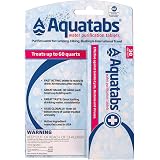
Aquatabs 49mg Water Purification Tablets (30 Pack). Water Filtration System for Hiking, Backpacking, Camping, Emergencies, Survival, and Home-Use. Easy to Use Water Treatment and Disinfection.
(as of November 1, 2026 01:53 GMT +00:00 – More infoProduct prices and availability are accurate as of the date/time indicated and are subject to change. Any price and availability information displayed on [relevant Amazon Site(s), as applicable] at the time of purchase will apply to the purchase of this product.)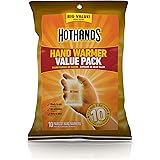
HotHands Hand Warmers Value Pack, 10 Pairs – America’s Favorite Warmer
$7.48 (as of November 1, 2026 01:53 GMT +00:00 – More infoProduct prices and availability are accurate as of the date/time indicated and are subject to change. Any price and availability information displayed on [relevant Amazon Site(s), as applicable] at the time of purchase will apply to the purchase of this product.)
Peak Refuel Chicken Alfredo Freeze-Dried Meal, 48g Protein, 2 Servings | 48g protein, 100% real meat, Non-GMO ingredients, No fillers, Freeze-dried, Just add water, 2 servings, Backpacking meal
(as of November 1, 2026 01:53 GMT +00:00 – More infoProduct prices and availability are accurate as of the date/time indicated and are subject to change. Any price and availability information displayed on [relevant Amazon Site(s), as applicable] at the time of purchase will apply to the purchase of this product.)
Gaiam Thick Yoga Mat, Exercise & Fitness Mat with Easy-Cinch Carrying Strap | Non-Slip NBR Foam | Joint Cushioning | Yoga, Pilates, Fitness & Floor Workouts | 72″L x 24″W
$23.02 (as of November 1, 2026 01:53 GMT +00:00 – More infoProduct prices and availability are accurate as of the date/time indicated and are subject to change. Any price and availability information displayed on [relevant Amazon Site(s), as applicable] at the time of purchase will apply to the purchase of this product.)
Leave a Reply