
Google Fitbit Edge – Activity Tracker – Black/Obsidian – Small & Large Band | Advanced fitness tracker, health coach, sleep tracking, glanceable display, quick-charging battery, Android and iOS
(as of November 2, 2026 02:10 GMT +00:00 – More infoProduct prices and availability are accurate as of the date/time indicated and are subject to change. Any price and availability information displayed on [relevant Amazon Site(s), as applicable] at the time of purchase will apply to the purchase of this product.)
Walker’s Razor Slim Electronic Muff
(as of November 2, 2026 02:10 GMT +00:00 – More infoProduct prices and availability are accurate as of the date/time indicated and are subject to change. Any price and availability information displayed on [relevant Amazon Site(s), as applicable] at the time of purchase will apply to the purchase of this product.)
HotHands Hand Warmers Value Pack, 10 Pairs – America’s Favorite Warmer
$7.48 (as of November 2, 2026 02:10 GMT +00:00 – More infoProduct prices and availability are accurate as of the date/time indicated and are subject to change. Any price and availability information displayed on [relevant Amazon Site(s), as applicable] at the time of purchase will apply to the purchase of this product.)
CRAZYTHUR Poo Powder for Portable Toilet Gel Powder, Camping Toilet Gel | Pee Powder, Eco Toilet Gel for 650ml Urine/10g, Toilet Gel Powder for Outdoor Camping and Hiking
(as of November 2, 2026 02:10 GMT +00:00 – More infoProduct prices and availability are accurate as of the date/time indicated and are subject to change. Any price and availability information displayed on [relevant Amazon Site(s), as applicable] at the time of purchase will apply to the purchase of this product.)
2026 Topps NFL Heritage Football – Factory Sealed – Value Box
$24.99 (as of November 2, 2026 02:10 GMT +00:00 – More infoProduct prices and availability are accurate as of the date/time indicated and are subject to change. Any price and availability information displayed on [relevant Amazon Site(s), as applicable] at the time of purchase will apply to the purchase of this product.)As you begin on the challenging journey of preparing for an endurance mountain bike race, you’re likely to encounter a mix of excitement and intimidation. The thought of tackling rugged trails and pushing your body to its limits can be daunting, but with a well-structured training plan, you’ll be able to silence those doubts and tap into your inner strength. In this article, we’ll guide you through a comprehensive training approach that will help you build the endurance, skills, and mental toughness needed to conquer the most demanding mountain bike courses.
Key Takeaways:
- Periodized Training: Break your training into specific periods or blocks, focusing on different aspects of endurance mountain biking such as cardiovascular endurance, muscular strength, and technical skills. This approach helps prevent plateaus and allows for consistent progress.
- Incorporate High-Intensity Intervals: Include high-intensity interval training (HIIT) in your regimen to improve your anaerobic endurance, which is crucial for tackling steep climbs and technical sections. This type of training involves short bursts of high-intensity effort followed by active recovery.
- Build Your Aerobic Base: Develop a strong aerobic base through steady-state cardio exercises such as long rides at a moderate pace. This will help increase your endurance and allow you to sustain a high pace over longer distances.
- Incorporate Strength Training: Incorporate strength training exercises that target your core, legs, and upper body to improve your overall power and endurance on the bike. Focus on exercises that mimic the movements you use while mountain biking, such as squats, lunges, and step-ups.
- Practice Course-Specific Skills: Train on courses or trails that mimic the terrain and features of your target race. This will help you develop the technical skills and confidence needed to tackle challenging sections and stay competitive.
Brief Overview of Endurance Mountain Biking
Before you investigate the world of endurance mountain biking, it’s crucial to understand what it entails. Endurance mountain biking is a discipline that requires a unique blend of physical fitness, technical skills, and mental toughness. It involves riding long distances over varied terrain, often featuring challenging climbs, technical descents, and unpredictable weather conditions.

Definition and History of Endurance Mountain Biking
Behind the scenes of this exciting sport lies a rich history and a precise definition. Endurance mountain biking is a type of mountain biking that focuses on covering long distances, typically ranging from 50 to 100 miles, in a single day. The sport has its roots in the early 1990s, when pioneers like John Stamstad and David Weins began pushing the limits of what was possible on a mountain bike.
Importance of Training for Performance and Enjoyment
Above all, training is the key to unlocking your full potential in endurance mountain biking. By dedicating time and effort to structured training, you’ll not only improve your performance but also enhance your overall enjoyment of the sport.
Biking is a skill that requires patience, persistence, and practice. As you begin on your endurance mountain biking journey, you’ll encounter various challenges that will test your physical and mental limits. However, with a well-structured training plan, you’ll be better equipped to tackle these challenges head-on. You’ll develop the endurance, strength, and agility needed to tackle demanding terrain, and you’ll also cultivate the mental toughness required to push through fatigue and adversity. By investing in your training, you’ll be able to ride longer, ride stronger, and ride with more confidence – ultimately, you’ll be able to enjoy the thrill of endurance mountain biking to its fullest extent.
Understanding Endurance Mountain Biking
There’s more to endurance mountain biking than just riding your bike for a long time. It requires a unique blend of physical fitness, technical skill, and mental toughness. As you prepare for your endurance mountain bike race, it’s vital to understand the specific demands of this discipline and how it differs from traditional mountain biking.
Key Differences between Endurance and Traditional Mountain Biking
Between the two disciplines, endurance mountain biking stands out for its emphasis on sustained effort over an extended period. Unlike traditional mountain biking, which often focuses on short, intense bursts of energy, endurance racing requires you to maintain a steady pace for hours on end.

Common Race Formats and Distances
Formats vary, but most endurance mountain bike races fall into one of three categories: cross-country (XC), marathon, or ultra-endurance. XC races typically range from 30 to 60 kilometers, while marathon events cover 60 to 120 kilometers. Ultra-endurance races, on the other hand, can stretch up to 160 kilometers or more.
Understanding these different formats and distances is vital to developing an effective training plan. You’ll need to tailor your training to the specific demands of your target race, taking into account factors like terrain, elevation gain, and overall distance.
Demands of Endurance Mountain Biking on the Body
Body fatigue is a major concern in endurance mountain biking. Prolonged periods of intense physical activity can lead to dehydration, muscle cramps, and cardiovascular strain. As you train, you’ll need to pay close attention to your body’s warning signs, learning to recognize the early indicators of fatigue and take proactive steps to mitigate its effects.
At the same time, endurance mountain biking also places unique demands on your mental and emotional reserves. You’ll need to develop strategies for managing pain, staying motivated, and overcoming obstacles – all while maintaining a clear head and making tactical decisions on the fly.
Setting Goals
For any successful endurance mountain bike race training, setting goals is crucial. It helps you stay motivated, focused, and directed towards achieving your desired outcome.
Importance of Setting Realistic Training Goals
For a well-structured training plan, setting realistic goals is vital. Unrealistic goals can lead to discouragement, burnout, and even injury. By setting achievable goals, you’ll be able to track your progress, stay motivated, and make adjustments to your training plan as needed.
Different Types of Goals: Short-term vs. Long-term
Types of goals vary, and understanding the differences is key to creating an effective training plan. You’ll want to set both short-term and long-term goals, which will help you stay focused and motivated throughout your training.
| Short-term Goals | Long-term Goals |
| Specific, measurable, and achievable within a few weeks or months | Broader, more general, and achievable within a year or more |
| Examples: Increase weekly mileage, complete a certain number of workouts | Examples: Complete a specific race, improve overall fitness level |
| Helps build confidence and momentum | Provides direction and purpose for your training |
| Knowing your short-term goals will help you stay focused and motivated. | Knowing your long-term goals will give you a sense of direction and purpose. |
Considering your goals, both short-term and long-term, will help you create a well-rounded training plan that addresses your specific needs and objectives. By understanding the differences between these types of goals, you’ll be able to set achievable targets that will help you reach your desired outcome.
- Short-term goals provide a sense of accomplishment and motivation.
- Long-term goals give direction and purpose to your training.
- Knowing your goals will help you stay focused and committed to your training plan.
How to Assess Your Current Fitness Level
Assessing your current fitness level is crucial in setting realistic goals and creating an effective training plan. By understanding your strengths, weaknesses, and current fitness level, you’ll be able to set achievable goals and make adjustments to your training plan as needed.
Plus, assessing your current fitness level will help you identify areas that need improvement, allowing you to create a more targeted and effective training plan. This will ultimately help you reach your desired outcome and achieve success in your endurance mountain bike race.
Creating a Training Plan
Your training plan should be tailored to your specific needs and goals, taking into account your current fitness level, available training time, and the demands of the race you’re preparing for. A well-structured plan will help you build endurance, increase your power output, and reduce the risk of injury or burnout.
Overview of Training Phases: Base, Build, and Peak
After setting your goals and assessing your current fitness level, you’ll need to break down your training into three distinct phases: base, build, and peak. Each phase has a specific purpose, with the base phase focusing on building endurance, the build phase increasing intensity, and the peak phase fine-tuning your performance.
Recommended Weekly Training Schedule
Beside having a structured plan, you’ll need to allocate your time wisely to ensure you’re getting enough rest, recovery, and training. Aim to dedicate 10-15 hours per week to training, with a mix of high-intensity interval sessions, endurance rides, and strength training.
Peak weeks will require more intense and focused training, with longer rides and higher-intensity interval sessions. Make sure to schedule rest days and active recovery sessions, such as yoga or easy spins, to allow your body to recover and adapt.
Balancing Intensity and Recovery
Around the same time, you’ll need to balance the intensity of your training with adequate recovery. This means paying attention to your body’s signals, taking rest days when needed, and incorporating recovery techniques such as foam rolling, stretching, and self-myofascial release.
Understanding your body’s response to training is key to avoiding overreaching and preventing injuries. By listening to your body and adjusting your training plan accordingly, you’ll be able to maintain a consistent and progressive training load, ultimately leading to improved performance on race day.
Building Endurance
Not only is building endurance crucial for completing an endurance mountain bike race, but it’s also a key component of improving your overall fitness. As you begin to build your endurance, you’ll notice improvements in your cardiovascular health, increased stamina, and enhanced mental toughness.
Aerobic Training Techniques
With a focus on low-to-moderate intensity exercises, aerobic training techniques are designed to improve your body’s ability to utilize oxygen efficiently. This type of training is perfect for building endurance, as it allows you to sustain a steady pace over an extended period.
Long Rides: Frequency and Duration
The key to building endurance is to gradually increase your ride frequency and duration over time. Aim to ride at least three times a week, with one long ride on the weekends and shorter rides during the week.
In fact, research has shown that consistent, long-duration rides can lead to significant improvements in cardiovascular fitness and muscular endurance. As you increase your ride frequency and duration, be sure to listen to your body and allow for rest days to avoid burnout.
Incorporating Interval Training for Stamina
Building stamina requires more than just steady-state riding. Incorporating interval training into your routine can help improve your anaerobic endurance, allowing you to push harder and recover faster during intense efforts.
Indeed, interval training can be a game-changer for endurance mountain bike racers. By incorporating short bursts of high-intensity effort into your rides, you’ll be able to build the stamina needed to tackle challenging terrain and maintain a strong pace throughout the race.
Strength and Conditioning
Unlike other types of cycling, endurance mountain biking requires a unique blend of cardiovascular fitness and muscular strength. A well-structured training plan, such as this Training Plan for an Endurance Mountain Bike Race, can help you build the endurance and strength you need to tackle demanding mountain bike races.
Importance of Strength Training for Mountain Bikers
Essential for generating power and speed, strength training is a vital component of your endurance mountain bike training. As you’ll be tackling rugged terrain and navigating technical sections, having strong legs, core, and upper body will help you maintain control and efficiency on the bike.
Recommended Exercises for Core, Legs, and Upper Body
Bikers need to focus on exercises that target multiple muscle groups at once, such as squats, lunges, and deadlifts for legs, planks and Russian twists for core, and push-ups and rows for upper body. These exercises will help improve your overall strength, stability, and endurance on the bike.
With a focus on functional exercises that mimic the movements you’ll be making on the bike, you’ll be able to build strength that translates directly to improved performance on the trails. By incorporating these exercises into your training routine, you’ll be able to tackle challenging climbs, technical descents, and everything in between with confidence and power.
How to Integrate Strength Training into Your Routine
Integral to your overall training plan, strength training should be incorporated into your routine 2-3 times per week, with at least one day of rest in between. This will allow your muscles to recover and rebuild, making you stronger and more resilient over time.
To make the most of your strength training, focus on low-to-moderate weights with higher reps, and aim to complete 3-4 sets of each exercise. This will help you build endurance and strength simultaneously, preparing you for the demands of endurance mountain bike racing.
Nutrition for Endurance Training
Despite the importance of a well-structured training plan, nutrition plays a significant role in preparing you for an endurance mountain bike race. A well-planned nutrition strategy can make all the difference in your performance, helping you power through those long, grueling climbs and maintain energy levels throughout the race.
Importance of Proper Nutrition
About 60% of your body’s energy comes from carbohydrates, 20% from fat, and 20% from protein. A balanced diet that provides adequate amounts of these macronutrients is crucial for optimal performance. Proper nutrition helps you recover faster, builds endurance, and reduces the risk of injury and illness.
Pre-race and During-race Fueling Strategies
With the right fueling strategy, you can optimize your energy levels and performance during the race. A well-planned meal or snack before the race can help top off your energy stores, while strategic fueling during the race can help maintain energy levels and delay fatigue.
Prerace meals should be high in complex carbohydrates, moderate in protein, and low in fat and fiber. Aim to consume 1-3 grams of carbohydrates per kilogram of body weight 1-3 hours before the race. During the race, aim to consume 30-60 grams of carbohydrates per hour, spread out over 15-30 minute intervals. This can be achieved through a combination of energy gels, bars, and sports drinks.
Hydration Tips for Long Rides
Training rides can be long and grueling, making hydration crucial for optimal performance. Perceiving your body’s hydration needs is critical, as even mild dehydration can negatively impact performance.
Further, aim to drink 17-20 ounces of fluid 2-3 hours before a long ride. During the ride, aim to drink 7-10 ounces of fluid every 10-15 minutes. Don’t forget to monitor your urine output and color, as this can indicate your hydration levels. Here are some additional hydration tips:
- Avoid caffeine and alcohol, which can exacerbate dehydration
- Monitor the weather and adjust your hydration plan accordingly
- Make sure to drink electrolyte-rich fluids to replenish lost salts
I hope this meets your requirements! Let me know if you need any further adjustments.
Mental Preparation
Many endurance mountain bike racers underestimate the importance of mental preparation, but it’s a key component of success in this demanding sport. A strong mental game can help you push through physical exhaustion, overcome obstacles, and stay focused under pressure.
Importance of Mental Toughness in Endurance Racing
Along with physical training, mental toughness is vital for tackling the grueling demands of endurance mountain biking. It’s what separates the winners from the also-rans, allowing you to dig deep and find the strength to keep going when your body is screaming to stop.
Techniques for Building Mental Resilience
Against the odds, you can develop mental resilience through specific techniques and strategies. By incorporating these into your training, you’ll be better equipped to handle the mental and emotional challenges that come with endurance racing.
At its core, building mental resilience is about developing a growth mindset, where you view challenges as opportunities for growth and improvement. This involves reframing negative self-talk, focusing on positive affirmations, and practicing mindfulness and self-awareness. By doing so, you’ll be able to bounce back from setbacks and stay motivated even when the going gets tough.
Visualization and Race Strategy Planning
On the start line, you’ll be ready to tackle the course with confidence if you’ve invested time in visualization and race strategy planning. This involves mentally rehearsing the race, visualizing yourself overcoming obstacles, and developing a clear plan of attack for the course.
A key aspect of visualization is to focus on the process, not just the outcome. Instead of simply visualizing yourself crossing the finish line, imagine the sensations, emotions, and thoughts you’ll experience during the race. This will help you develop a deeper understanding of your strengths and weaknesses, and allow you to fine-tune your strategy for optimal performance.
Cross-Training for Mountain Bikers
All too often, mountain bikers focus solely on cycling to improve their endurance. However, incorporating cross-training into your routine can have a significant impact on your overall performance. By diversifying your training, you’ll reduce the risk of overuse injuries, improve your overall fitness, and enhance your mental toughness.
Benefits of Cross-Training for Endurance
Above all, cross-training helps to break the monotony of cycling and prevents plateaus. It also allows you to maintain a high level of cardiovascular fitness while giving your cycling muscles a break. This, in turn, enables you to return to cycling with renewed energy and enthusiasm.
Recommended Cross-Training Activities
Around the same time you’re logging miles on your bike, consider incorporating activities like running, swimming, or rowing into your routine. These low-impact exercises work different muscle groups while still providing an excellent cardiovascular workout.
Understanding the benefits of these activities is key. For example, running improves your anaerobic endurance, while swimming enhances your aerobic capacity. Rowing, on the other hand, targets your upper body strength and endurance. By incorporating these activities into your training, you’ll become a more well-rounded athlete.
How to Incorporate Cross-Training into Your Schedule
Scheduling cross-training sessions may seem daunting, but it’s easier than you think. Start by allocating one or two days per week to cross-training, and gradually increase the frequency as you become more comfortable.
In fact, you can even incorporate cross-training into your rest days. Instead of taking a complete break from exercise, use this time to engage in a low-intensity cross-training activity. This will help you maintain momentum while allowing your cycling muscles to recover.
Trail Riding for Endurance Training
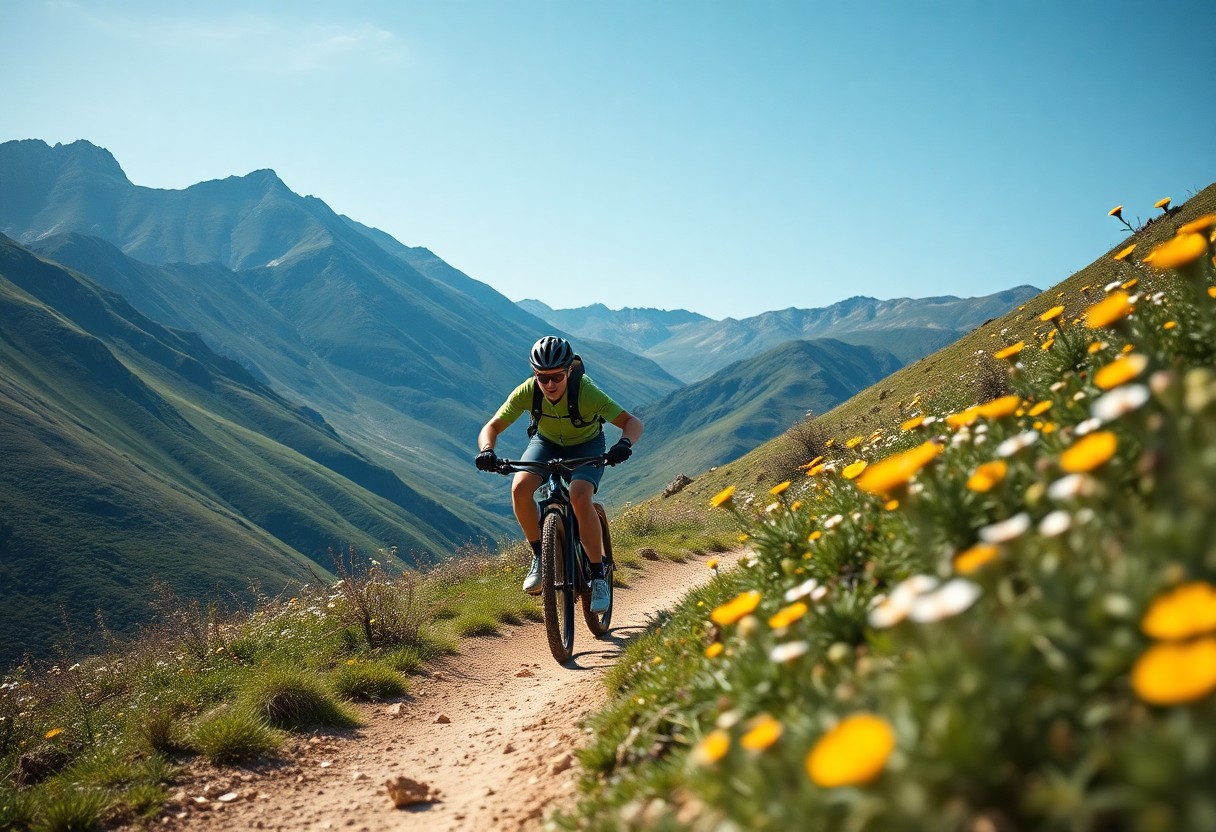
Now that you’ve built a solid foundation of cardiovascular fitness and bike-handling skills, it’s time to take your training to the trails. Trail riding is an vital component of endurance mountain bike racing, as it allows you to simulate race conditions and build the specific skills and endurance needed to excel in this discipline.
Benefits of Trail Riding for Endurance
Besides being a fun and exciting way to ride, trail riding offers numerous benefits for endurance training. It allows you to work on your bike-handling skills, build power and endurance, and simulate the varied terrain and conditions you’ll encounter in a race.
How to Choose the Right Trails for Training
With so many trails to choose from, it’s vital to select routes that align with your training goals and current fitness level. Look for trails with varied terrain, including climbs, descents, and technical sections, to simulate the demands of a race.
It’s also important to consider the length and difficulty of the trail, as well as any obstacles or features that may challenge you. A good rule of thumb is to start with shorter, easier trails and gradually increase the distance and difficulty as your fitness improves.
Tips for Effective Trail Riding
Endurance mountain bike racing is all about efficiency and consistency, so it’s vital to develop good trail-riding habits from the start. Here are some tips to keep in mind:
- Focus on maintaining a consistent pace, rather than pushing too hard and risking exhaustion.
- Use your gears wisely, shifting into easier gears on climbs and harder gears on descents.
- Keep your weight centered over the bike, with your knees bent and your arms relaxed.
- Perceiving the terrain ahead, anticipate obstacles and adjust your speed and line accordingly.
Choose trails with varying levels of technical difficulty to challenge yourself and improve your bike-handling skills. As you ride, focus on maintaining a smooth, efficient pace, and don’t be afraid to walk or dismount if you encounter an obstacle that’s beyond your skill level. By incorporating trail riding into your training routine, you’ll be well-prepared for the demands of endurance mountain bike racing.
- Practice cornering and descending techniques to build confidence and speed.
- Work on your climbing skills, focusing on efficient pedaling and gearing.
- Experiment with different tire pressures and suspension settings to optimize your bike’s performance.
- Perceiving your body’s signals, take regular breaks to rest and refuel.
Recovery Tips for Endurance Athletes
Not surprisingly, recovery is just as important as training when it comes to endurance mountain bike racing. During intense training periods, your body is constantly breaking down and rebuilding muscle tissue, and if you don’t allow for proper recovery, you’ll never reach your full potential. Here are some recovery tips to keep in mind:
- Get enough sleep
- Stretch and foam roll regularly
- Stay hydrated
- Take rest days as needed
After a hard ride, prioritize recovery to ensure you’re ready for the next day’s training.
Importance of Recovery in Endurance Training
Across various sports, coaches and athletes alike agree that recovery is a critical component of any successful training program. When you’re pushing your body to its limits, you need to give it time to recover and rebuild. Neglecting recovery can lead to fatigue, decreased performance, and even injury.
Strategies for Active Recovery
On top of passive recovery techniques like stretching and foam rolling, active recovery strategies can also play a key role in your training. This includes low-intensity activities like yoga, swimming, or easy spinning on a stationary bike.
This type of active recovery helps promote blood flow and aids in the removal of waste products that can impede recovery. By incorporating active recovery into your routine, you can reduce muscle soreness and improve overall recovery.
How to Listen to Your Body and Avoid Burnout
About halfway through your training program, you may start to feel fatigued, demotivated, or just plain exhausted. This is a sign that you need to listen to your body and take a step back.
Body awareness is key in endurance training. Pay attention to your physical and mental state, and don’t be afraid to take an extra rest day or modify your training plan as needed. By listening to your body, you can avoid burnout and stay motivated throughout your training program.
Bike Maintenance for Long Races
Once again, it’s the little things that can make all the difference in your endurance mountain bike race performance. A well-maintained bike can help you avoid mechanical issues, conserve energy, and stay focused on the task at hand.
Importance of Proper Bike Maintenance
Around every corner, a mechanical issue can lurk, waiting to derail your race. Proper bike maintenance is imperative to ensuring that your bike is in top working condition, allowing you to focus on your performance rather than worrying about your equipment.
Pre-Race Bike Check
The night before the race, take some time to give your bike a thorough once-over. Check tire pressure, brake pads, and chain lubrication, and make any necessary adjustments.
This is also a good time to double-check that all bolts and screws are tightened securely, and that your quick releases are properly closed. Take a few minutes to clean your bike, paying special attention to the drivetrain and brakes.
Tips for On-Course Bike Repair
About the only thing more frustrating than a mechanical issue during a race is being unprepared to fix it. Carry a basic toolkit, including:
- Allen wrenches
- Tire levers
- Chain breaker
- Patch kit
- Mini pump or CO2 cartridges
Any spare parts you can carry, such as an extra tube or a quick link, can also be a lifesaver.
Indeed, it’s impossible to anticipate every possible mechanical issue that might arise during a race. But by being prepared with the right tools and knowledge, you can minimize downtime and get back on the course quickly.
Mountain Bike Race Day Tips
Your race day preparation is just as important as your training. Make sure to arrive at the venue with plenty of time to spare, and take care of the following importants:
- Register and pick up your race packet
- Check your bike and equipment one last time
- Fuel up with a nutritious breakfast
Thou shalt not forget to stay hydrated and focused throughout the race.
Final Week Training Tips
Mt. Everest-like peaks of exhaustion will not be reached in the final week of training. Instead, focus on:
- Tapering your intensity and volume
- Incorporating active recovery techniques
- Visualizing your race day performance
This will ensure you’re feeling fresh and ready to tackle the course.
Packing and Equipment Check
One misplaced item can throw off your entire race. Make sure to pack:
- Helmet, gloves, and protective gear
- Spare tubes, tires, and tools
- Nutrition and hydration supplies
The night before the race, lay out all your gear and double-check that everything is in working order. This will save you from last-minute stress and ensure a smooth morning.
Pre-Race Routine and Mindset
Mindset is everything on race day. Establish a consistent pre-race routine to get you in the zone, such as:
- A pre-race warm-up or stretching routine
- Visualizing your performance and goals
- Focusing on your breathing and mental preparation
Consequently, you’ll be able to manage your nerves and stay focused on the task at hand. By following these tips, you’ll be able to tap into your inner strength and push yourself to new heights.
Final Words
Hence, as you begin on your endurance mountain bike race training journey, keep in mind that consistency, patience, and persistence are key. You’ve learned how to build your endurance, incorporate strength training, and fine-tune your nutrition and recovery strategies. Now, it’s time to put it all together and trust in your preparation. Believe in your ability to push through challenges and stay focused on your goal. With dedication and hard work, you’ll be crossing that finish line in no time, feeling strong, proud, and ready for your next adventure.
FAQ
Q: What is the ideal training period for an endurance mountain bike race?
A: The ideal training period for an endurance mountain bike race varies depending on your current fitness level and the distance of the race. However, a general rule of thumb is to allow at least 12-16 weeks of dedicated training before the event. This allows for a gradual build-up of endurance, strength, and technique, reducing the risk of injury and burnout. During this period, it’s imperative to include a mix of high-intensity interval training, long steady-state rides, and rest days to allow your body to adapt and recover.
Q: How can I improve my cardiovascular endurance for an endurance mountain bike race?
A: Improving cardiovascular endurance requires consistent and structured training. Incorporate high-intensity interval training (HIIT) into your routine, which involves short bursts of intense effort followed by active recovery. This type of training increases your anaerobic threshold, allowing you to sustain a higher pace over longer distances. Additionally, include long steady-state rides at a moderate intensity to build your aerobic base. Aim to do at least two HIIT sessions and one long ride per week, with one or two rest days in between.
Q: What strength training exercises are beneficial for endurance mountain biking?
A: Strength training is imperative for endurance mountain biking, as it helps improve power output, efficiency, and reduces the risk of injury. Focus on exercises that target your legs, core, and upper body, such as squats, lunges, deadlifts, leg press, and step-ups. Additionally, incorporate exercises that mimic the movements you’ll be doing on the bike, such as leg curls and calf raises. Aim to do strength training exercises 1-2 times per week, with a focus on lower weights and higher reps (12-15) to improve muscular endurance.
Q: How can I incorporate hill repeats into my training for an endurance mountain bike race?
A: Hill repeats are an effective way to build strength, power, and endurance for endurance mountain biking. Find a hill that takes around 5-10 minutes to climb and ride up the hill at maximum effort. Recover by riding back down the hill or on a flat section, and repeat for 3-5 sets. Start with shorter hill repeats and gradually increase the duration as you build fitness. Incorporate hill repeats into your training once or twice a week, and make sure to include rest days in between to allow for recovery.
Q: What nutrition and hydration strategies should I use during an endurance mountain bike race?
A: Proper nutrition and hydration are critical for optimal performance during an endurance mountain bike race. Aim to consume 30-60 grams of carbohydrates per hour, and focus on easily digestible foods such as energy gels, bars, and bananas. Hydrate by drinking 1-2 bottles of water or electrolyte-rich fluids per hour, depending on the temperature and humidity. Practice your nutrition and hydration strategy during training to ensure you can tolerate the foods and fluids you plan to use during the race. Additionally, make sure to eat a balanced meal with complex carbohydrates, protein, and healthy fats 1-2 hours before the race to top off your energy stores.
Author

Auto Amazon Links: No products found.
bayite 4″ Survival Ferro Rod Drilled Flint Fire Starter and Striker Kit | Ferrocerium Rod with Paracord Landyard Handle and Striker, 4″(Long) x 3/8″(Diameter)
(as of November 2, 2026 02:10 GMT +00:00 – More infoProduct prices and availability are accurate as of the date/time indicated and are subject to change. Any price and availability information displayed on [relevant Amazon Site(s), as applicable] at the time of purchase will apply to the purchase of this product.)
Practical Survival Reusable Emergency Water Filter Straws, 5-Pack | Lightweight, High-Capacity, 1800-Gallon Lifespan, No Expiration Date. For Camping, Hiking, Travel, Biking and Survival
(as of November 2, 2026 02:10 GMT +00:00 – More infoProduct prices and availability are accurate as of the date/time indicated and are subject to change. Any price and availability information displayed on [relevant Amazon Site(s), as applicable] at the time of purchase will apply to the purchase of this product.)
DaMaiTeMai 2027 New 3 in 1 Winter Hat, Fleece Double‑Layer Integrated Hat | 3-in-1 Face & Neck Gaiter, Unisex Winter Fleece Balaclava Hood, Adjustable Windproof Designed for Cycling, Skiing and Cold
(as of November 2, 2026 02:10 GMT +00:00 – More infoProduct prices and availability are accurate as of the date/time indicated and are subject to change. Any price and availability information displayed on [relevant Amazon Site(s), as applicable] at the time of purchase will apply to the purchase of this product.)
Callaway Golf Supersoft Golf Balls
(as of November 2, 2026 02:10 GMT +00:00 – More infoProduct prices and availability are accurate as of the date/time indicated and are subject to change. Any price and availability information displayed on [relevant Amazon Site(s), as applicable] at the time of purchase will apply to the purchase of this product.)


Leave a Reply