
DaMaiTeMai 2027 New 3 in 1 Winter Hat, Fleece Double‑Layer Integrated Hat | 3-in-1 Face & Neck Gaiter, Unisex Winter Fleece Balaclava Hood, Adjustable Windproof Designed for Cycling, Skiing and Cold
(as of November 1, 2026 01:53 GMT +00:00 – More infoProduct prices and availability are accurate as of the date/time indicated and are subject to change. Any price and availability information displayed on [relevant Amazon Site(s), as applicable] at the time of purchase will apply to the purchase of this product.)
Sawyer Squeeze Water Filtration System, Cnoc Premium 2 Liter Bladder, Clear
$64.95 (as of November 1, 2026 01:53 GMT +00:00 – More infoProduct prices and availability are accurate as of the date/time indicated and are subject to change. Any price and availability information displayed on [relevant Amazon Site(s), as applicable] at the time of purchase will apply to the purchase of this product.)
Aquatabs 49mg Water Purification Tablets (30 Pack). Water Filtration System for Hiking, Backpacking, Camping, Emergencies, Survival, and Home-Use. Easy to Use Water Treatment and Disinfection.
(as of November 1, 2026 01:53 GMT +00:00 – More infoProduct prices and availability are accurate as of the date/time indicated and are subject to change. Any price and availability information displayed on [relevant Amazon Site(s), as applicable] at the time of purchase will apply to the purchase of this product.)
Lormandy Straw Water Filter 5 Pack – Outdoor Camping & Hiking Survival Gear | Family Use Ultra-Light Personal Filter Straws | Backpacking, Travel, Bug-Out Bags, Emergency Preparedness
$69.88 (as of November 1, 2026 01:53 GMT +00:00 – More infoProduct prices and availability are accurate as of the date/time indicated and are subject to change. Any price and availability information displayed on [relevant Amazon Site(s), as applicable] at the time of purchase will apply to the purchase of this product.)
Headlamp Rechargeable, 230° Wide Beam Head Lamp LED with Motion Sensor for Adults – Camping Accessories Gear, Waterproof Head Light Flashlight for Hiking, Running, Repairing, Fishing, Cycling
$13.99 (as of November 1, 2026 01:53 GMT +00:00 – More infoProduct prices and availability are accurate as of the date/time indicated and are subject to change. Any price and availability information displayed on [relevant Amazon Site(s), as applicable] at the time of purchase will apply to the purchase of this product.)As you step into the serene wilderness, you breathe in the fresh air, feeling the call of adventure. You’re not alone in your desire to explore nature’s beauty, even in your golden years. You can still commence on challenging trails, immersing yourself in the sights and sounds that nourish your soul. By adopting a mindful approach to hiking, you’ll find that your well-being is not only preserved, but also enriched by the experience, allowing you to connect with nature and yourself on a deeper level.
Key Takeaways:
To help seniors conquer challenging trails while prioritizing their well-being, consider the following points:

- Assessing Physical Ability: Seniors should evaluate their physical health and fitness level before launching on a challenging trail to ensure they can handle the demands of the hike.
- Building Endurance: Gradually increasing exercise routine and physical activity can help seniors build the stamina needed to tackle difficult trails without putting their health at risk.
- Choosing Suitable Trails: Selecting trails with moderate difficulty and accessible terrain can help seniors challenge themselves while minimizing the risk of injury or exhaustion.
- Staying Hydrated and Fueled: Bringing plenty of water and nutritious snacks on the hike can help seniors maintain their energy levels and prevent dehydration.
- Seeking Guidance and Support: Hiking with a guide or experienced companion can provide seniors with valuable guidance and emotional support, helping them navigate challenging trails with confidence and peace of mind.
Preparing for the Trail
To launch on a challenging trail, you must first prepare yourself physically and mentally. This involves evaluating your current condition, setting realistic goals, and developing a plan to achieve them. As you venture into the wilderness, your well-being is intertwined with the natural world, and being prepared will allow you to harmonize with the surroundings.
Assessing Physical Limitations
Along with the excitement of exploring new trails, you’ll need to consider your physical limitations. Take an honest look at your current health, any medical conditions, and previous injuries that may impact your ability to navigate challenging terrain. This self-awareness will help you make informed decisions about the trails you choose and the pace you set.
Building Endurance and Strength
On the path to conquering challenging trails, building endurance and strength is important. You’ll want to focus on exercises that improve your cardiovascular health, balance, and overall physical fitness, allowing you to move with greater ease and confidence in the wilderness.
To further develop your endurance and strength, consider incorporating activities such as hiking, swimming, or cycling into your routine. As you progress, you can gradually increase the intensity and duration of your workouts, allowing your body to adapt and grow stronger. This will enable you to tackle more demanding trails while prioritizing your overall well-being, and you’ll find that your connection with nature deepens as your physical limitations expand.
Trail Selection and Planning
Even as you launch on your hiking journey, consider trails that resonate with your abilities and interests. You can find valuable insights on 55+ Multiday Hiking: Practical Hacks and Workarounds to enhance your experience.

Choosing Senior-Friendly Trails
Senior-oriented trails often feature gentle slopes and scenic views, allowing you to connect with nature at your own pace. You can explore these trails to find the perfect fit for your hiking style and ability.
Researching Trail Conditions and Safety
Tranquil trails await your discovery, but it’s crucial to investigate their conditions and potential hazards. You can uncover valuable information about the trails you wish to explore.
For instance, you can gather details about the terrain, weather, and necessary gear to ensure a safe and enjoyable hike, allowing you to immerse yourself in the beauty of nature while prioritizing your well-being. As you wander through the trails, you’ll find that being prepared enhances your connection with the natural world.
Essential Gear and Equipment
All seniors initiateing on challenging trails should prioritize their well-being by gathering the right gear and equipment, allowing you to focus on the beauty of nature and the thrill of the hike.
Comfortable Hiking Shoes and Clothing
Before you set out, ensure you have comfortable hiking shoes and clothing that breathe and move with you, allowing your body to stay relaxed and focused on the journey, as you traverse the trail with ease and confidence.
Navigation Tools and First Aid Kits
Navigating the wilderness requires the right tools, and you’ll want to bring a map, compass, and first aid kit to stay safe and found, giving you peace of mind as you explore the great outdoors.
First and foremost, your navigation tools and first aid kits should be well-stocked and easily accessible, so you can tend to any scrapes or get back on track if you stray from the path, and you’ll be able to enjoy the serenity of the natural world, knowing you’re prepared for any situation that may arise, and allowing you to connect with the land and with yourself on a deeper level.
Staying Safe on the Trail
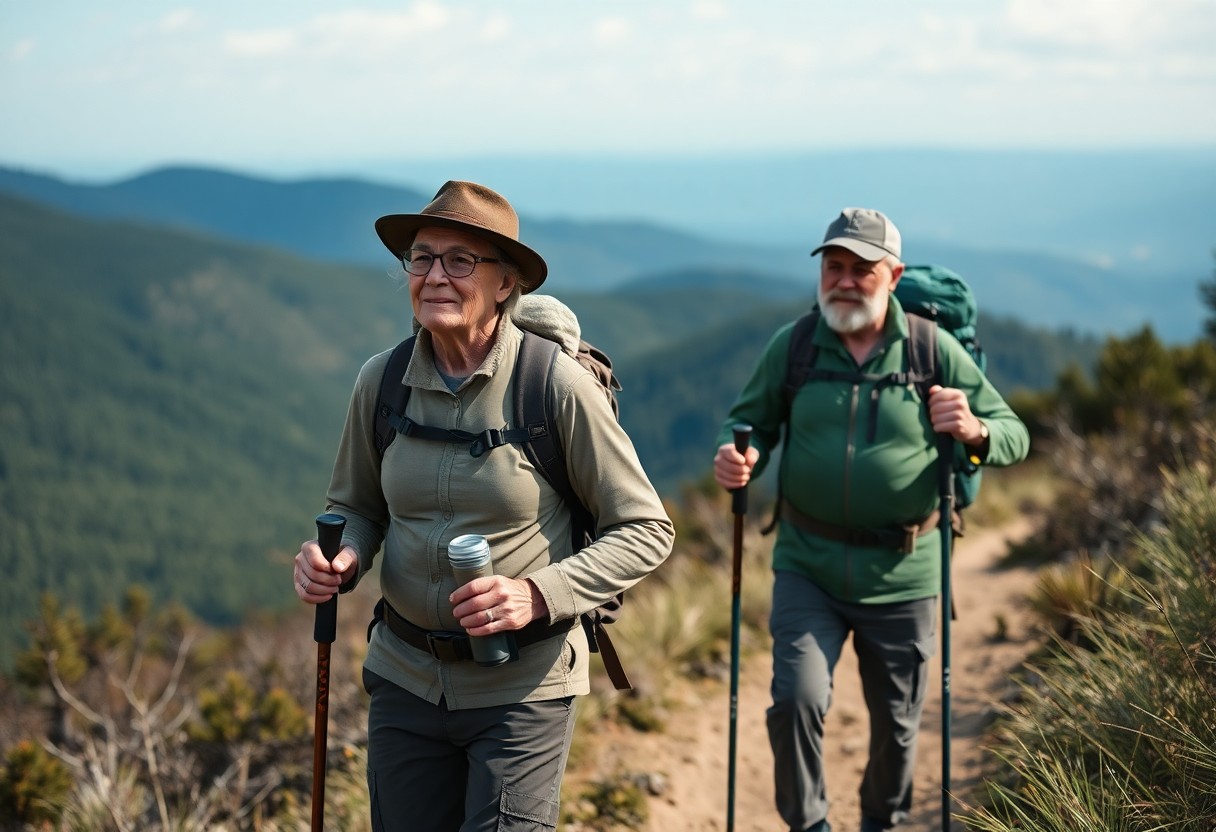
Not every trail is suited for seniors, so it’s vital to assess your physical abilities and the trail’s difficulty before heading out. You should choose trails with gentle slopes and stable terrain to minimize the risk of injury.
Managing Risks and Hazards
Traversing rugged terrain can be challenging, and you must be aware of potential hazards such as slippery surfaces, steep drop-offs, and inclement weather. You can prepare by wearing proper gear and staying informed about trail conditions.
Communicating with Companions and Emergency Services
Beside a trustworthy companion, a reliable means of communication is vital in case of emergency. You should carry a cell phone or two-way radio to stay in touch with your group and emergency services.
It is also a good idea to let someone know your itinerary and expected return time, so they can raise an alarm if you fail to check in. You can also consider investing in a personal locator beacon (PLB) or satellite phone, especially when venturing into remote areas with no cell service, allowing you to call for help in the event of an emergency, and giving you peace of mind as you explore the great outdoors.
Nourishment and Hydration
Unlike younger hikers, you may need to pay closer attention to your body’s needs on the trail, taking care to fuel your journeys with wholesome foods and plenty of water, allowing you to connect with nature while preserving your well-being.
Healthy Snacking and Meal Planning
Beneath the surface of a successful hike lies a foundation of thoughtful preparation, and you’ll find that packing nourishing snacks and planning meals in advance enables you to maintain your energy and spirits, even on the most challenging trails.
Staying Hydrated in Varied Weather Conditions
Stationed at the heart of your hiking strategy should be a commitment to staying hydrated, regardless of the weather, and you’ll discover that drinking water at regular intervals allows you to hike with greater ease and confidence, tuning into the beauty of the natural world around you.
Planning your hydration strategy according to the specific demands of your hike, you consider factors such as temperature, humidity, and altitude, adjusting your water intake to ensure your body remains balanced and capable, as you explore the wilderness with a sense of freedom and wonder, your senses heightened by the knowledge that you’re taking care of your most basic needs.

Overcoming Challenges and Staying Motivated
Despite the physical demands of challenging trails, you can overcome obstacles by setting realistic goals and pacing yourself. As you venture into nature, you’ll discover that your inner strength grows with each step, fostering a deeper connection with the natural world and your own capabilities.
Building Mental Resilience
Against the doubts that may creep into your mind, you’ll find that mental resilience is key to persevering on the trail. You’ll learn to quiet your inner critic and focus on the serene surroundings, drawing strength from the beauty of nature.
Celebrating Small Victories and Progress
Resilient in the face of adversity, you’ll find joy in acknowledging your achievements, no matter how small they may seem. You’ll celebrate each milestone, whether it’s completing a difficult section of the trail or simply taking in the breathtaking views.
Staying committed to your goals, you’ll continue to push forward, honoring your progress and the incredible landscapes you’ve encountered. As you reflect on your journey, you’ll find that the sense of pride and accomplishment will stay with you, inspiring you to continue exploring and challenging yourself in the great outdoors, and nurturing a deeper sense of connection with nature and your own inner strength.
To wrap up
As a reminder, you have the power to conquer challenging trails while nurturing your well-being. You can tackle rugged paths, breathe in the freshness of nature, and rejuvenate your spirit. By embracing your unique pace, listening to your body, and being mindful of your surroundings, you’ll find that your connection to the natural world deepens, and your sense of accomplishment grows, allowing you to walk your path with greater ease and harmony.
FAQ
Q: What precautions should seniors take before hiking challenging trails to ensure their safety and well-being?
A: Before begining on a challenging hike, seniors should consult with their doctor, especially if they have any underlying medical conditions. They should also assess their physical abilities and choose trails that suit their fitness level. Additionally, seniors should inform someone about their hiking plans, including the trail they will be taking and their expected return time. It’s also crucial to check the weather forecast and trail conditions to avoid any potential hazards.
Q: How can seniors prepare physically for hiking challenging trails, and what exercises can they do to improve their stamina and strength?
A: Seniors can prepare physically for hiking challenging trails by engaging in regular exercises that improve their cardiovascular health, balance, and flexibility. Brisk walking, swimming, and cycling are excellent ways to boost endurance. Seniors can also incorporate strength training exercises to build strong muscles, particularly in their legs, core, and upper body. Furthermore, practicing balance exercises, such as tai chi or yoga, can help improve their stability and reduce the risk of falls.
Q: What gear and equipment do seniors need to bring with them when hiking challenging trails, and how can they stay hydrated and energized?
A: When hiking challenging trails, seniors should bring crucial gear and equipment, such as comfortable hiking shoes, trekking poles, a first aid kit, and a backpack with layers of clothing, snacks, and a water bottle or hydration pack. To stay hydrated, seniors should drink plenty of water throughout the hike, aiming to consume at least 2-3 liters per day. They can also bring energy-rich snacks, such as trail mix, nuts, and dried fruits, to maintain their energy levels. It’s also a good idea to bring a portable charger for their phone or other devices in case of emergencies.
Q: How can seniors navigate challenging trails safely, and what should they do in case of an emergency or if they get lost?
A: To navigate challenging trails safely, seniors should bring a map, compass, and GPS device or a smartphone with a GPS app. They should also let someone know their itinerary and expected return time. In case of an emergency or if they get lost, seniors should stay calm and try to find a landmark or a trail marker. They can also use their phone to call for help or send a distress signal. If they are unable to find their way back, seniors should find a safe place to wait for rescue, such as a clearing or a ridge, and avoid wandering further into the wilderness.
Q: How can seniors balance their desire to challenge themselves on the trails with the need to prioritize their physical and mental well-being, and what role can hiking buddies or guides play in supporting them?
A: Seniors can balance their desire to challenge themselves on the trails by setting realistic goals and listening to their body. They should also prioritize self-care and take regular breaks to rest and recharge. Hiking buddies or guides can play a significant role in supporting seniors by providing companionship, guidance, and assistance when needed. They can also help seniors assess their physical abilities and choose trails that suit their fitness level, ensuring a safe and enjoyable hiking experience. Additionally, hiking buddies or guides can provide emotional support and encouragement, helping seniors to build confidence and stay motivated on the trails.
Author

Auto Amazon Links: No products found.

Peak Refuel Chicken Alfredo Freeze-Dried Meal, 48g Protein, 2 Servings | 48g protein, 100% real meat, Non-GMO ingredients, No fillers, Freeze-dried, Just add water, 2 servings, Backpacking meal
(as of November 1, 2026 01:53 GMT +00:00 – More infoProduct prices and availability are accurate as of the date/time indicated and are subject to change. Any price and availability information displayed on [relevant Amazon Site(s), as applicable] at the time of purchase will apply to the purchase of this product.)
Milavan Smart Health Ring Fitness Tracker for Men Women, Rose Gold 8 | Sleep, Stress & Activity Monitoring, IP68 Waterproof, Long-Lasting Battery, No Subscription Fees, Works with iOS & Android
$35.99 (as of November 1, 2026 01:53 GMT +00:00 – More infoProduct prices and availability are accurate as of the date/time indicated and are subject to change. Any price and availability information displayed on [relevant Amazon Site(s), as applicable] at the time of purchase will apply to the purchase of this product.)
Etekcity LED Camping Lanterns, Battery Operated, 2 Pack | Power Outages, Hurricane Preparedness, Camping, Emergency Kit, Water Resistant, Collapsible Design, Batteries Included
$16.99 (as of November 1, 2026 01:53 GMT +00:00 – More infoProduct prices and availability are accurate as of the date/time indicated and are subject to change. Any price and availability information displayed on [relevant Amazon Site(s), as applicable] at the time of purchase will apply to the purchase of this product.)
Walking Pad Treadmill for Home – Folding Treadmills with Handle Bar Portable Compact Fold up Indoor Foldable Handles Electric Walk Pads Small Spaces Quiet Running Under Bed Office
(as of November 1, 2026 01:53 GMT +00:00 – More infoProduct prices and availability are accurate as of the date/time indicated and are subject to change. Any price and availability information displayed on [relevant Amazon Site(s), as applicable] at the time of purchase will apply to the purchase of this product.)


Leave a Reply