
Zubaz NFL Women’s Full Length High Waist Basic 1.0 Leggings
$24.99 (as of September 18, 2026 23:16 GMT +00:00 – More infoProduct prices and availability are accurate as of the date/time indicated and are subject to change. Any price and availability information displayed on [relevant Amazon Site(s), as applicable] at the time of purchase will apply to the purchase of this product.)
Jump Rope, Tangle-Free Rapid Speed Jumping Rope Cable with Ball Bearings for Women, Men, and Kids, Adjustable Steel Jump Rope with Foam Handles for Home Gym Exercise Fitness Workout Equipment & Slim Body
$9.99 (as of September 18, 2026 23:16 GMT +00:00 – More infoProduct prices and availability are accurate as of the date/time indicated and are subject to change. Any price and availability information displayed on [relevant Amazon Site(s), as applicable] at the time of purchase will apply to the purchase of this product.)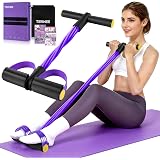
Pedal Resistance Band with Handle, Foot Pedal Resistance Band for Women, Multifunction Exercise Bands for Home Gym Full Body & Working Out
$19.99 (as of September 18, 2026 23:16 GMT +00:00 – More infoProduct prices and availability are accurate as of the date/time indicated and are subject to change. Any price and availability information displayed on [relevant Amazon Site(s), as applicable] at the time of purchase will apply to the purchase of this product.)
Barnesmith Hooded Sweatshirt, Unisex, Cotton/Poly Blend, Heritage Logo
$49.95 (as of September 18, 2026 23:16 GMT +00:00 – More infoProduct prices and availability are accurate as of the date/time indicated and are subject to change. Any price and availability information displayed on [relevant Amazon Site(s), as applicable] at the time of purchase will apply to the purchase of this product.)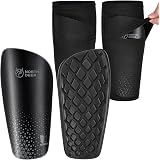
Northdeer Soccer Shin Guards for Kids Adults | Sleeves with Optimized Insert Pocket Protective Soccer for Boys Girls Men
$16.99 (as of September 18, 2026 23:16 GMT +00:00 – More infoProduct prices and availability are accurate as of the date/time indicated and are subject to change. Any price and availability information displayed on [relevant Amazon Site(s), as applicable] at the time of purchase will apply to the purchase of this product.)There’s a growing community of mountain bikers over 50 who are embracing the trails with enthusiasm and vigor. As you initiate on your mountain biking journey, tailored fitness training and preparation can enhance your performance and enjoyment. This guide will provide you with crucial strategies and insights to optimize your training regimen, boost your endurance, and ensure that you stay injury-free as you tackle challenging terrain. With the right approach, you can continue to pursue your passion for mountain biking well into your golden years.
Key Takeaways:
- Focus on strength training to improve overall power and endurance on the bike.
- Incorporate flexibility exercises to enhance mobility and prevent injuries.
- Prioritize cardiovascular fitness through cycling and other aerobic activities.
- Pay attention to nutrition, ensuring a balanced diet that supports energy needs and recovery.
- Allow adequate recovery time between workouts to maintain performance and reduce fatigue.

The Unique Physical Challenges of Mountain Biking After 50
Mountain biking after 50 introduces various physical challenges, including increased joint stiffness, reduced muscle mass, and longer recovery times. As your body ages, it may not adapt to the rigors of cycling as easily as it once did, leading to a greater risk of injury. Understanding these challenges allows you to adjust your training and riding techniques to maintain performance and enjoyment on the trails. From managing fatigue to enhancing your bike handling skills, addressing these issues head-on empowers you to ride with confidence and safety.

Age-Related Physiological Changes
As you age, physiological changes can significantly impact your cycling experience. Loss of muscle mass, decreased bone density, and slower metabolism can hinder your performance on demanding trails. Additionally, cardiovascular efficiency may decline, resulting in reduced stamina during prolonged rides. These changes necessitate a tailored training approach that prioritizes strength, endurance, and flexibility exercises to counteract their effects and maximize your biking capabilities.
Assessing Personal Fitness Baselines
Establishing a clear understanding of your current fitness level is a vital step in crafting an effective training plan. Evaluating factors such as cardiovascular health, strength, flexibility, and endurance helps you set realistic goals. Tools like the Rockport Walk Test and the YMCA Sit-and-Reach Test can provide insight into your fitness capacities. By recognizing where you stand, you can track improvements, identify areas needing focus, and tailor your regimen for optimal progress and injury prevention.
To assess your personal fitness baseline comprehensively, start with a few key evaluations. Begin with a cardiovascular assessment like the Rockport Walk Test to measure your aerobic fitness. Next, gauge your strength through functional exercises, such as bodyweight squats or push-ups, counting the maximum you can perform. Incorporate flexibility evaluations, like the sit-and-reach test, to understand your range of motion. Document these results to create a benchmark, allowing you to monitor your progress over time and adjust your training plan accordingly, ensuring you remain in peak condition for mountain biking adventures.
Tailored Training Programs for Peak Performance
Your training program should be specifically tailored to optimize performance, focusing on individual strengths and weaknesses. Integrating a mixture of endurance, strength, and flexibility exercises will ensure you develop a well-rounded fitness base. Consider consulting with a coach who specializes in mountain biking or using technology such as fitness apps to track your progress and adjust your routine based on your performance metrics. This personalized approach enables you to set achievable goals while minimizing the risk of injury and burnout.
Crafting a Sustainable Workout Schedule
Creating a sustainable workout schedule requires balancing intensity with recovery. Plan your workouts around your daily life, ensuring you include rest days and varied types of training. Aim for three to five sessions per week, mixing long rides with strength training and flexibility sessions. This approach not only boosts your performance but also keeps you motivated and engaged, allowing for gradual improvements without overwhelming your body.

Key Exercises to Enhance Strength and Endurance
Focus on exercises that build strength and enhance endurance for mountain biking. Incorporate squats, lunges, and deadlifts into your routine to strengthen the legs, while planks and push-ups will improve your core stability. Additionally, high-intensity interval training (HIIT) can be beneficial for cardiovascular fitness, mimicking the varied demands of mountain biking. By structuring your workouts around these key movements, you’ll develop the stamina and power needed for challenging trails.
Strength exercises like squats and lunges engage the primary muscles used in biking, helping to build the necessary power for climbs and descents. Aim for three sets of 8-12 repetitions, adjusting weight to ensure proper form. Endurance can be boosted through interval training, which combines short, intense bursts of activity with recovery periods. For example, cycle hard for 30 seconds followed by two minutes of easy pedaling. This method efficiently improves aerobic capacity and mimics the stop-and-go nature of mountain biking, making it ideal for preparing your body for rugged trails.
Nutrition as Fuel for Mountain Biking Success
Your performance on the trail is directly influenced by what you eat. A balanced diet tailored to your activity level can enhance endurance, recovery, and overall health. Focus on nutrient-dense foods that provide the energy necessary for long rides, including whole grains, lean proteins, healthy fats, and plenty of fruits and vegetables. Timing your meals around your biking schedule can also maximize performance and recovery, ensuring your body has the fuel it needs when it needs it most.
Nutritional Needs for Active Cyclists Over 50
Hydration Strategies to Optimize Performance
Injury Prevention and Recovery Strategies
Mountain biking over 50 requires a proactive approach to injury prevention and recovery. Prioritizing stretching, strength training, and proper gear can significantly reduce the risk of common injuries, enabling you to enjoy your rides longer while maintaining peak performance. Incorporate balance and flexibility workouts into your routine to enhance stability on the trail and choose appropriate bicycle settings to minimize strain on your body.
Common Injuries in Older Mountain Bikers
Older mountain bikers often face specific injuries, including knee pain, lower back strain, and shoulder injuries. Chronic conditions such as arthritis can exacerbate these issues, leading to discomfort during rides. Understanding these vulnerabilities will help you remain vigilant in addressing them through proper techniques and equipment adjustments.
Recovery Techniques to Support Longevity
Emphasizing active recovery techniques can enhance your longevity in mountain biking. Utilizing methods such as foam rolling, low-intensity yoga, and consistent hydration promotes blood flow and reduces muscle soreness. In addition, incorporating adequate sleep into your routine allows your body the necessary time to repair itself, increasing resilience against future injuries.
Focus on techniques that fit into your lifestyle, such as integrating yoga sessions twice a week to improve flexibility and strengthen your core. Foam rolling before and after rides can alleviate tension, while a hydration tracker ensures you drink enough water throughout the day. Dietary choices can complement recovery efforts; consider foods rich in omega-3 fatty acids for their anti-inflammatory properties. Regularly assessing your body’s response to training will guide your recovery strategies, allowing you to adapt your approach based on real-time feedback and experiences. Prioritizing these strategies creates a sustainable biking journey, keeping you engaged and injury-free on the trails.

The Mental Aspect of Fitness and Riding
A strong mental framework complements physical training for mountain biking. This aspect is often overlooked but can significantly enhance your riding experience. Mental fitness involves positive self-talk, visualization techniques, and stress management strategies, which all contribute to better performance on the trails. By developing mental resilience, you empower yourself to tackle challenging terrain and push through fatigue, ultimately making your rides more enjoyable and satisfying. Understanding the psychological aspects of riding can set you apart as a confident and capable mountain biker.
Building Confidence and Overcoming Fear
Confidence plays a pivotal role in your success on the bike. Each ride offers an opportunity to confront fears and push past comfort zones. Start by tackling small challenges, like descending a hill or navigating technical features. As you succeed, your confidence will grow, making more complex obstacles feel attainable. Visualize yourself mastering these challenges, and practice positive affirmations to reinforce your self-belief. Overcoming fear is a gradual process that builds your skills and mental strength over time.
Setting Realistic Goals for Personal Growth
Realistic goal-setting is a cornerstone of personal growth in mountain biking. Instead of lofty objectives that can lead to frustration, break down your aspirations into attainable milestones. By focusing on specific skills, such as improving your endurance or mastering bike handling, you create a clear path for progression. Celebrate each small victory, which boosts your motivation and enhances your riding capabilities. Consistent, incremental improvements lead to a more fulfilling biking experience and greater long-term satisfaction.
Establishing realistic goals involves self-assessment and understanding your current abilities. For example, if your aim is to increase your distance on the trail, start with a manageable target, like an additional 5-10% over your last ride. Tracking your progress with a journal or app can provide tangible evidence of improvement, reinforcing positive habits and encouraging persistence. Additionally, reaching out to fellow cyclists for feedback and support can inspire you as you navigate your biking journey, creating a community that celebrates your successes along the way.
Final Words
On the whole, engaging in MTB fitness training and preparation after 50 can significantly enhance your riding experience and overall health. By focusing on strength, flexibility, and endurance, you prepare your body for the physical demands of mountain biking. Consistency in your training, along with listening to your body’s needs, ensures you improve your skills while reducing the risk of injury. Stay committed, embrace the journey, and enjoy the balance of challenge and adventure that comes with mountain biking at this stage of life.
FAQ
Q: What are the best exercises for improving MTB fitness for someone over 50?
A: Focus on low-impact cardiovascular exercises such as cycling, swimming, or brisk walking, combined with strength training exercises targeting core, legs, and upper body. Incorporate flexibility and balance exercises like yoga or Pilates to enhance overall stability and mobility.
Q: How often should I train for mountain biking if I’m over 50?
A: Most experts recommend training 3 to 5 times a week. Include a mix of cardio, strength training, and flexibility exercises. Ensure at least one rest day each week to allow for recovery.
Q: Is it necessary to do strength training for MTB if I’m over 50?
A: Yes, strength training is important as it helps build muscle strength, improve endurance, and reduce the risk of injury. Focus on functional movements that mimic cycling actions.
Q: How can I prevent injuries while training for MTB over 50?
A: Warm up properly before each session, cool down afterwards, and listen to your body to avoid overexertion. Incorporate flexibility training and allow rest periods for recovery to minimize injury risks.
Q: What should my nutrition look like when preparing for MTB at this age?
A: Prioritize a balanced diet rich in whole foods like fruits, vegetables, lean proteins, healthy fats, and whole grains. Stay hydrated and consider consulting a nutritionist for personalized guidance based on your fitness goals.
Author

Auto Amazon Links: No products found.
Barnesmith Hooded Sweatshirt, Unisex, Cotton/Poly Blend, Heritage Logo
$49.95 (as of September 18, 2026 23:16 GMT +00:00 – More infoProduct prices and availability are accurate as of the date/time indicated and are subject to change. Any price and availability information displayed on [relevant Amazon Site(s), as applicable] at the time of purchase will apply to the purchase of this product.)
ATERCEL Workout Gloves for Men and Women, Exercise Gloves for Weight Lifting, Cycling, Gym, Training, Breathable and Snug fit
$11.86 (as of September 18, 2026 23:16 GMT +00:00 – More infoProduct prices and availability are accurate as of the date/time indicated and are subject to change. Any price and availability information displayed on [relevant Amazon Site(s), as applicable] at the time of purchase will apply to the purchase of this product.)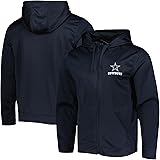
Dunbrooke Men’s NFL Trophy Fleece Full-Zip Hoodie
$41.35 (as of September 18, 2026 23:16 GMT +00:00 – More infoProduct prices and availability are accurate as of the date/time indicated and are subject to change. Any price and availability information displayed on [relevant Amazon Site(s), as applicable] at the time of purchase will apply to the purchase of this product.)
adidas Unisex Adiflex Soccer Shin Guards | Lightweight Soccer Shin Guards, Run Small
$10.30 (as of September 18, 2026 23:16 GMT +00:00 – More infoProduct prices and availability are accurate as of the date/time indicated and are subject to change. Any price and availability information displayed on [relevant Amazon Site(s), as applicable] at the time of purchase will apply to the purchase of this product.)
Leave a Reply