
Topps Flagship Premier League 2026/27 – Factory Sealed – Value Box
$24.99 (as of September 18, 2026 23:16 GMT +00:00 – More infoProduct prices and availability are accurate as of the date/time indicated and are subject to change. Any price and availability information displayed on [relevant Amazon Site(s), as applicable] at the time of purchase will apply to the purchase of this product.)
Fitness Tracker with 24/7 Heart Rate, Activity Trackers with Blood Pressure Sleep Monitor, 1.10″ AMOLED Screen Step Tracker, Waterproof Step Counter, Health Smart Watch Pedometer for Women Men
$28.99 (as of September 18, 2026 23:16 GMT +00:00 – More infoProduct prices and availability are accurate as of the date/time indicated and are subject to change. Any price and availability information displayed on [relevant Amazon Site(s), as applicable] at the time of purchase will apply to the purchase of this product.)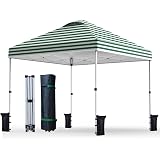
Nazhura 10′ x 10′ Pop Up Canopy Tent with Sand Weight Bag, Freestanding Sun Shelter for Picnic and Camping, One Person Setup and Height Adjustable (Green Stripe)
$80.96 (as of September 18, 2026 23:16 GMT +00:00 – More infoProduct prices and availability are accurate as of the date/time indicated and are subject to change. Any price and availability information displayed on [relevant Amazon Site(s), as applicable] at the time of purchase will apply to the purchase of this product.)
Owala FreeSip Stainless Steel Water Bottle 24 oz Toile Be Home
$34.99 (as of September 18, 2026 23:16 GMT +00:00 – More infoProduct prices and availability are accurate as of the date/time indicated and are subject to change. Any price and availability information displayed on [relevant Amazon Site(s), as applicable] at the time of purchase will apply to the purchase of this product.)
Owala FreeSip Sway Stainless Steel Water Bottle 40 oz Off Road
$44.99 (as of September 18, 2026 23:16 GMT +00:00 – More infoProduct prices and availability are accurate as of the date/time indicated and are subject to change. Any price and availability information displayed on [relevant Amazon Site(s), as applicable] at the time of purchase will apply to the purchase of this product.)Regulations governing electric mountain bikes (eMTBs) vary widely across regions, impacting where and how you can ride. Understanding these laws is important for ensuring your enjoyment and safety on the trails. You must be aware of the classifications of eMTBs, local trail access rights, and any specific requirements, such as speed limits or equipment standards, that may apply in your area. This guide will provide you with the information you need to ride responsibly and legally wherever your adventures take you.
Key Takeaways:
- Electric mountain bikes (e-MTBs) are often categorized based on their maximum speed and motor power, affecting where they can be legally used.
- Many trails have specific regulations regarding the use of e-MTBs, which may vary significantly by location.
- Trail access for e-MTBs often requires compliance with local laws, which may involve licensing or registration.
- Riders must be aware of battery regulations, especially in areas where trail usage is impacted by environmental concerns.
- Adherence to designated trails is vital, as e-MTBs may be restricted from certain paths to protect natural habitats and other trail users.
Decoding the Electric Mountain Bike Classification
Understanding e-MTB classifications helps you navigate trail regulations effectively. These classifications are designed to clarify the capabilities of different electric mountain bikes, impacting where and how you can ride them. Class distinctions primarily focus on the bike’s motor power and speed, dictating its legal status on various trails and roadways.

The Distinction Between Class 1, 2, and 3 E-MTBs
Class 1 e-MTBs provide pedal-assist up to 20 mph without any throttle, making them popular for trail use. Class 2 models also feature a throttle but are limited to the same 20 mph speed. Class 3 bikes, on the other hand, allow pedal-assist up to 28 mph and often come with stricter regulations regarding where you can ride them, especially on multi-use trails.
Implications of Each Class on Legal Status
Your e-MTB’s class significantly influences its legal status on public and private trails. While Class 1 bikes are usually allowed on trails where traditional bicycles can go, Class 2 bikes may face more restrictions. Class 3 bikes often require speed and safety compliance, and some areas prohibit them entirely on certain trails.
For instance, many national forests and parks recognize Class 1 e-MTBs as traditional bicycles, allowing full access to most trails. Conversely, Class 2 and 3 e-MTBs may be considered motorized vehicles in some jurisdictions, restricting their use to paved roads or designated motorized routes only. Checking local trail guidelines can save you from potential fines and ensure an enjoyable riding experience. Understanding these classifications will empower you to make informed decisions about your e-MTB adventures.
Navigating Federal and State Regulations
Understanding the interplay between federal and state regulations is necessary for e-MTB users. Federal laws set the groundwork, while state legislation tailors regulations to local conditions, trail management, and environmental concerns. You must stay informed about your locality’s specific rules to ensure compliance and enjoy the trails responsibly.
The Role of the U.S. Forest Service in E-MTB Policies
The U.S. Forest Service plays a significant role in determining access to trails for e-MTBs within federal lands. By managing approximately 193 million acres nationwide, they facilitate access policies based on environmental impact assessments and recreational demand. Familiarize yourself with their guidelines to understand where you can ride legally in national forests.

Variations in State Legislation: A Comparative Analysis
State laws regarding e-MTBs vary significantly, reflecting different cultural attitudes toward e-bikes and land use. Some states classify e-MTBs similar to traditional bikes, while others impose restrictions based on power or speed. You should research your specific state’s regulations to ensure a smooth riding experience.
State Regulations Comparison
| State | E-MTB Classification |
|---|---|
| California | Three classes based on speed and motor power |
| Colorado | Defined as bicycles, allowed on most trails |
| Florida | Regulations vary by county; may require registration |
| New York | Class 1 and 2 allowed on multi-use paths |
State laws influence not only the classification of e-MTBs but also where you can ride them. For example, California’s three-class system provides a framework for riders, whereas Colorado treats e-MTBs like traditional bicycles, granting broader access. Stay updated with specific local legislation, as some states like Florida may have distinct rules that change by county, affecting your riding experience.

Local Trail Access: Friend or Foe?
Local trail access can feel like both an ally and an adversary for electric mountain bikers. While some municipalities embrace e-bikes, others impose restrictions that can limit your riding experience. Understanding the varying regulations and access points in your region is vital. Riding on designated trails not only respects local wildlife and ecosystems but also strengthens your relationship with land managers who can influence future policies. Awareness of these dynamics can transform local access from a barrier into a pathway for enjoyable and responsible riding.
The Impact of Land Management Decisions on Trail Use
Land management decisions play a pivotal role in shaping how and where you can ride electric mountain bikes. Policies may prioritize conservation efforts, restrict access to certain trails, or permit designated e-bike areas, which directly affects your riding options. These decisions are often based on assessments regarding environmental impact, safety, and user demand. By staying informed about ongoing management discussions in your area, you can advocate for fair access and contribute positively to trail stewardship efforts.
How Trail Etiquette and User Interactions Shape Regulations
Trail etiquette heavily influences regulatory frameworks surrounding electric mountain biking. Your behavior on the trails sets a precedent for interactions with other users and can impact future policies. Complying with established guidelines not only enhances safety and enjoyment for everyone but also fosters an environment where e-bikes are welcomed rather than viewed with skepticism. Respecting the rights of hikers, equestrians, and other cyclists promotes goodwill and encourages cooperation, ultimately shaping regulations that reflect mutual respect and shared trail access.
The way you engage with other trail users significantly establishes expectations for e-bike regulations. For example, yielding to foot traffic and maintaining a lower speed can alleviate concerns from traditional mountain bikers and hikers. Actively participating in local trail stewardship initiatives further demonstrates your commitment to responsible riding. Documenting positive interactions and sharing stories within your community can build collective support, reinforcing the message that e-bikes can coexist harmoniously with other trail users. As advocates for positive user experiences, you can drive change in regulations that support responsible e-bike access on trails.
The Debate on Environmental Impact and Safety
Electric mountain bikes (e-MTBs) have sparked a heated debate regarding their environmental impact and safety on trails. Advocates argue that e-MTBs expand access to nature and create an opportunity for more riders, while critics worry about potential damage to ecosystems and increased accidents. Understanding these perspectives is vital as you navigate the evolving landscape of trail regulations and public sentiment.
Examining the Ecological Concerns Surrounding E-MTBs
Ecological concerns focus on the potential for erosion, wildlife disruption, and habitat degradation associated with e-MTB use. The increased speed and access can lead riders to venture off established paths, thereby exacerbating environmental impacts. Research shows that e-MTBs contribute to trail wear and tear, particularly in sensitive areas. Consequently, the need for designated trails and responsible riding practices becomes paramount to mitigate these effects.
Safety Metrics: Are E-MTBs a Hazard on Trails?
Discussion surrounding safety metrics often highlights the speed and weight of e-MTBs compared to traditional bikes. With e-MTBs capable of reaching higher speeds, the risk of collisions with pedestrians and other cyclists escalates. Data collected from various trail conflicts show that e-MTB-related injuries are on the rise, prompting calls for stricter regulations and education on safe riding practices.
Research indicates that e-MTB riders are involved in a higher number of accidents, primarily due to their increased speed and potential inexperience with handling the bike’s power. A study found that trails shared with hikers reported a 30% rise in incidents since the introduction of e-MTBs. Many municipalities are responding by implementing speed limits and creating dedicated trails for e-MTBs to enhance safety. As a rider, adjusting your behavior to match trail conditions and understanding the dynamics of mixed-use trails can help mitigate hazards and promote safer riding experiences for everyone involved.

Future Trends: The Evolution of E-MTB Laws
As technology advances, expect e-MTB laws to become more nuanced, adapting to innovations such as improved battery efficiency and smart connectivity. These changes could lead to heightened regulations influencing where and how you can ride. With more jurisdictions acknowledging the benefits of e-MTBs for sustainable recreation, a growing push towards harmonizing laws across regions might surface. This evolution aims to protect natural areas while offering greater access for outdoor enthusiasts.
Anticipated Changes in Legislation and Trail Accessibility
Future legislation is likely to expand e-MTB trail access as awareness grows about their positive environmental impact and potential for outdoor tourism. You could see more designated trails, as local governments strive to balance conservation efforts with recreational opportunities. Furthermore, regulations may evolve to differentiate between various e-MTB classes, allowing for tailored access on specific trail systems, enhancing your riding experience.
The Role of Advocacy Groups in Shaping E-MTB Futures
Advocacy groups are becoming increasingly influential in shaping the future of e-MTB regulations. These organizations work tirelessly to educate policymakers, promoting the benefits of e-MTBs as sustainable transportation and recreation. Through community engagement initiatives, they are fostering dialogue on responsible riding practices and environmental stewardship. You may find their efforts lead to better-designed policies that understand the unique needs of e-MTB users while preserving trail integrity.
Organizations like the International Mountain Bicycling Association (IMBA) and local advocacy groups have actively campaigned for more inclusive trail access. They gather data on trail usage, demonstrating how e-MTBs can coexist with traditional mountain biking without harming ecosystems. By hosting events, workshops, and collaborating with land management agencies, these groups effectively champion for e-MTB-friendly legislation. As a result, you can anticipate improvements in trail accessibility, ensuring e-MTBs are embraced as an integral aspect of outdoor recreation moving forward.
To wrap up
As a reminder, understanding electric mountain bike laws and trail regulations is necessary for ensuring your safety and enhancing your riding experience. Familiarize yourself with local laws regarding e-bike classifications, speed limits, and allowable trail access. Adhering to these regulations not only protects you but also fosters a respectful relationship with nature and fellow trail users. Always check for specific trail rules and guidelines before commenceing on your ride to ensure compliance and enjoy your adventure responsibly.
FAQ
Q: What is the legal classification of electric mountain bikes?
A: Electric mountain bikes (e-MTBs) are typically classified into three categories based on their motor power and assistance features: Class 1 (pedal-assist up to 20 mph), Class 2 (throttle-assisted up to 20 mph), and Class 3 (pedal-assist up to 28 mph). Local regulations may vary, and it’s important to check specific state or local laws for exact classifications.
Q: Are electric mountain bikes allowed on all mountain bike trails?
A: No, the allowance of e-MTBs on trails often depends on local regulations. Many mountain biking trails permit Class 1 e-MTBs, while others may ban all electric bikes. It is imperative to research and adhere to the specific rules of each trail or park.
Q: Do I need a license or registration for my electric mountain bike?
A: Licensing and registration requirements for electric mountain bikes vary by state or region. Some areas may require e-MTBs to be registered like motor vehicles, while others do not have such requirements. Always verify local laws to ensure compliance.
Q: What are the age restrictions for riding electric mountain bikes?
A: Age restrictions for riding e-MTBs can vary by local laws. Generally, riders must be at least 14 years old to operate a Class 2 or Class 3 e-MTB. Some states may have different minimum age requirements, so check local regulations for guidance.
Q: Are there any specific trail regulations for electric mountain bikes?
A: Yes, many trails have specific regulations for e-MTBs, which may include speed limits, designated areas for use, and trail surface types to ensure safety and minimize environmental impact. Always follow posted signs and consult local trail guidelines before riding.
Author

Auto Amazon Links: No products found.

NCAA Arch Logo – NCAA Sports Team Color T Shirt
$26.96 (as of September 18, 2026 23:16 GMT +00:00 – More infoProduct prices and availability are accurate as of the date/time indicated and are subject to change. Any price and availability information displayed on [relevant Amazon Site(s), as applicable] at the time of purchase will apply to the purchase of this product.)
Paracord Planet 50 Foot Hanks of 550 Type III 7 Strand Paracord (Blue & Yellow 50 Feet)
$11.99 (as of September 18, 2026 23:16 GMT +00:00 – More infoProduct prices and availability are accurate as of the date/time indicated and are subject to change. Any price and availability information displayed on [relevant Amazon Site(s), as applicable] at the time of purchase will apply to the purchase of this product.)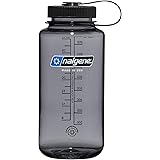
Nalgene 32 oz Wide Mouth Water Bottle, Gray w/ Black Lid | BPA-Free, Durable & Lightweight, Leak Proof, Dishwasher Safe, Large Reusable Plastic Bottle for Hiking, Gym, Work & Travel
$13.98 (as of September 18, 2026 23:16 GMT +00:00 – More infoProduct prices and availability are accurate as of the date/time indicated and are subject to change. Any price and availability information displayed on [relevant Amazon Site(s), as applicable] at the time of purchase will apply to the purchase of this product.)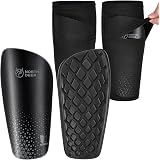
Northdeer Soccer Shin Guards for Kids Adults | Sleeves with Optimized Insert Pocket Protective Soccer for Boys Girls Men
$16.99 (as of September 18, 2026 23:16 GMT +00:00 – More infoProduct prices and availability are accurate as of the date/time indicated and are subject to change. Any price and availability information displayed on [relevant Amazon Site(s), as applicable] at the time of purchase will apply to the purchase of this product.)


Leave a Reply