
LifeStraw Peak Series – Personal Water Filter Straw for Backup Filtration, Emergency, Survival, and Ultralight Hydration, BPA-Free, Dark Mountain Gray
(as of November 1, 2026 01:53 GMT +00:00 – More infoProduct prices and availability are accurate as of the date/time indicated and are subject to change. Any price and availability information displayed on [relevant Amazon Site(s), as applicable] at the time of purchase will apply to the purchase of this product.)
Lerat 2 Pack Hand Warmers Rechargeable, Portable Electric Hand Warmers Reusable, Portable Pocket Heater, Gifts for Men Women Kids, Hunting, Golf, Camping Accessories
$11.99 (as of November 1, 2026 01:53 GMT +00:00 – More infoProduct prices and availability are accurate as of the date/time indicated and are subject to change. Any price and availability information displayed on [relevant Amazon Site(s), as applicable] at the time of purchase will apply to the purchase of this product.)
LHKNL Headlamp Flashlight, Lumen Bright Head Lamps LED Rechargeable Camping | Ultra-Light, with White Red Light, 2-Pack Waterproof Motion Sensor Headlight, 8 Modes for Outdoor Running Hiking Fishing
$19.99 (as of November 1, 2026 01:53 GMT +00:00 – More infoProduct prices and availability are accurate as of the date/time indicated and are subject to change. Any price and availability information displayed on [relevant Amazon Site(s), as applicable] at the time of purchase will apply to the purchase of this product.)
Gaiam Thick Yoga Mat, Exercise & Fitness Mat with Easy-Cinch Carrying Strap | Non-Slip NBR Foam | Joint Cushioning | Yoga, Pilates, Fitness & Floor Workouts | 72″L x 24″W
$23.02 (as of November 1, 2026 01:53 GMT +00:00 – More infoProduct prices and availability are accurate as of the date/time indicated and are subject to change. Any price and availability information displayed on [relevant Amazon Site(s), as applicable] at the time of purchase will apply to the purchase of this product.)
Niorasen Merino Wool Socks for Men & Women, Thermal Winter Crew Warm Socks | seamless toe and cushioned comfort, ideal for cold weather, work boots, hiking and holiday stocking stuffers, gift
$11.99 (as of November 1, 2026 01:53 GMT +00:00 – More infoProduct prices and availability are accurate as of the date/time indicated and are subject to change. Any price and availability information displayed on [relevant Amazon Site(s), as applicable] at the time of purchase will apply to the purchase of this product.)Pedaling through your favorite trails might feel different these days, as climate change reshapes the mountain biking landscape you’ve come to know. You’re likely noticing longer dry spells that turn your usual grippy dirt into loose dust, or unexpected trail closures after intense storms wash away beloved berms. Your riding seasons have shifted, with earlier springs and extended summers altering traditional peak riding times. As weather patterns become more erratic, you’ll need to adapt to these changes that are transforming both the physical terrain and how you approach your mountain biking adventures.
Key Takeaways:
- Trail erosion and soil instability are increasing due to more frequent extreme weather events, making many popular mountain biking routes unsafe
- Changing seasonal patterns have shortened riding seasons in many regions, with earlier snowmelts and extended rainfall periods affecting trail accessibility
- Vegetation changes caused by warming temperatures are altering traditional trail characteristics and requiring more frequent maintenance
- Rising temperatures have led to more wildfire risks, resulting in temporary or permanent closure of beloved mountain biking destinations
- Local mountain biking communities are adapting by developing climate-resilient trail designs and implementing sustainable building techniques
Climate Change Fundamentals in Mountain Environments
A significant transformation is occurring in mountain ecosystems worldwide due to climate change. As you explore your favorite trails, you’ll notice these changes affecting everything from soil composition to vegetation patterns. Your mountain biking experience is directly influenced by these shifting environmental conditions, which are reshaping the landscape at an unprecedented rate.

Temperature Variations and Trail Conditions
| Temperature Rise | Trail Effect |
|---|---|
| Higher average temperatures | Drier, dustier trails |
| Extended warm seasons | Longer riding seasons |
| Extreme heat waves | Trail surface degradation |
| Temperature fluctuations | Increased erosion risk |
Around the globe, rising temperatures are transforming your favorite mountain biking trails. You’ll notice changes in soil consistency, with once-firm trails becoming looser and more challenging to navigate. These temperature shifts affect not only your riding experience but also the overall trail sustainability.
Precipitation Patterns and Soil Impact
One of the most visible effects you’ll encounter is the changing rainfall patterns affecting trail conditions. Your local trails may experience more frequent intense storms, leading to increased erosion and trail damage. These alterations in precipitation can transform previously reliable trails into unpredictable terrain.
In addition to immediate effects, you’ll notice long-term changes in soil composition and stability. Your favorite berms and jumps may require more frequent maintenance as the ground becomes less stable. The combination of altered rainfall patterns and soil changes means you’ll need to adapt your riding style and trail selection based on these new conditions.
Seasonal Shifts and Riding Windows
Precipitation and temperature changes are reshaping your traditional riding seasons. You’ll find that previously reliable riding windows are shifting, with some areas experiencing extended dry seasons while others face unpredictable wet periods. These changes affect when and where you can ride safely.

Mountain biking seasons are becoming less predictable in your area. You might notice spring conditions arriving earlier and winter starting later, altering your usual riding calendar. These shifts require you to be more flexible with your riding schedule and more attentive to trail conditions before heading out.
Trail System Vulnerability
If you’re a mountain biker, you need to understand how climate change threatens your favorite trails. As highlighted in Downhill From Here: How climate change threatens cycling as we know it, trail systems face multiple challenges from shifting weather patterns, making your riding experience increasingly unpredictable and potentially unsafe.
Erosion and Watershed Changes
Around your local trails, you’ll notice increased erosion from intense rainfall events and extended dry periods. Your favorite berms and jumps may wash away faster, while previously stable trail surfaces become loose and unpredictable. These changes force more frequent trail maintenance and sometimes complete trail redesigns.
Vegetation Transformation
Beside your usual riding routes, you’ll witness dramatic changes in plant life. Your once-shaded singletrack might become exposed as native trees struggle to survive in new climate conditions, while invasive species alter the trail corridor’s character.
Another aspect you’ll encounter is the shifting growing seasons affecting trail conditions. Your winter riding spots might become overgrown earlier in the season, while summer trails could see unprecedented vegetation die-off, creating new hazards and changing the trail experience you’ve come to know.
Infrastructure Stress Points
Watershed changes will impact your trail’s infrastructure more than you might expect. Your local wooden bridges, berms, and water management features face increased stress from extreme weather events, requiring more frequent repairs and upgrades.
Vegetation management around your trail’s infrastructure becomes increasingly challenging as climate patterns shift. You’ll notice more fallen trees after storms, damaged trail features from root system changes, and increased maintenance needs for drainage systems that can no longer handle new rainfall patterns.
Regional Impact Assessment
After analyzing mountain biking destinations worldwide, you’ll notice distinct patterns of climate change effects across different terrains. Your favorite trails are experiencing unique challenges based on their geographical location and elevation, requiring adaptations in both trail maintenance and riding habits.
Alpine Trail Networks
Before planning your next high-altitude adventure, consider how warming temperatures are reshaping alpine environments. You’ll find shorter snow seasons affecting trail accessibility, while increased rainfall leads to more frequent landslides and erosion. Your traditional riding calendar might need adjustment as peak seasons shift and maintenance windows change.
Desert Riding Destinations
Around your favorite desert trails, rising temperatures and extended drought periods are transforming the riding experience. You’ll encounter more unstable surfaces, deteriorating trail conditions, and increasingly limited riding seasons as extreme heat makes midday rides impractical.
And when you’re planning your desert riding schedule, you’ll need to factor in new challenges. Your usual winter and spring riding windows might shrink as temperatures rise earlier in the season. You’ll find yourself dealing with more frequent dust storms, harder soil conditions, and the need for additional water supplies during rides.
Coastal Mountain Paths
Around your coastal riding spots, rising sea levels and increased storm intensity are reshaping trail systems. You’ll notice more frequent closures due to landslides, erosion of coastal paths, and changing vegetation patterns that affect trail stability and grip.
Impact on your coastal riding experience extends beyond trail conditions. You’ll need to adapt to new weather patterns, with more unpredictable storms and rainfall affecting your ride planning. Your favorite coastal trails might require more frequent maintenance, and you’ll find some lower-elevation routes increasingly vulnerable to flooding and erosion.
Ecosystem Disruption
Your favorite mountain biking trails are part of complex ecosystems that climate change is rapidly transforming. These changes affect not just your riding experience, but the entire web of life that makes these environments unique and sustainable. As temperatures rise and weather patterns shift, you’ll notice significant alterations in the wildlife, vegetation, and soil conditions along your regular routes.
Wildlife Habitat Changes
Ecosystem shifts are forcing wildlife to adapt or relocate, changing the nature of your trail encounters. You might notice fewer familiar species as they move to higher elevations seeking cooler temperatures. This migration affects predator-prey relationships and can lead to unexpected wildlife encounters during your rides, requiring you to be more alert and adaptable on the trails.
Plant Species Migration
Changes in temperature and precipitation patterns are causing plant communities to shift upslope, transforming the landscapes you ride through. You’ll notice different types of vegetation taking hold where others once thrived, affecting trail conditions and the overall riding experience.
Due to warming temperatures, you’ll see alpine plants retreating to higher elevations while lower-elevation species expand their range upward. This shift affects your trail’s characteristics, from the amount of shade you enjoy to the stability of the soil beneath your wheels. As a rider, you’ll need to adapt to new trail conditions and potentially different seasonal riding windows.
Soil Composition Alterations
Composition changes in soil structure affect your trail’s stability and drainage. You’ll encounter different ground conditions as temperature and moisture changes alter soil chemistry and organic matter content, potentially making familiar trails behave differently under your wheels.
Soil modifications will increasingly impact your riding experience as climate change continues. You’ll notice more frequent trail erosion, changes in grip levels, and varying drainage patterns. These alterations might require you to adjust your riding style and timing of rides, particularly after weather events or during certain seasons.
Trail Maintenance Challenges
Keep your favorite trails rideable requires more effort than ever before. As climate change intensifies weather patterns, you’ll notice increased erosion, washouts, and trail damage. Your local trail networks face unprecedented stress from heavy rainfall, extended dry periods, and extreme temperature fluctuations, making traditional maintenance schedules inadequate.
Emergency Response Protocols
Emergency trail repairs now demand your immediate attention after severe weather events. You’ll need to establish clear communication channels and rapid response teams to address sudden trail damage. Your local mountain biking community should develop standardized protocols for quick assessment and repair of weather-related trail hazards.
Resource Allocation
Between your trail maintenance budget and volunteer hours, you’ll need to make tough decisions. Climate change has amplified the frequency of required repairs, forcing you to prioritize high-traffic areas and vulnerable trail sections while managing limited resources effectively.
Indeed, your approach to resource management must evolve with changing conditions. You’ll find that preventive maintenance becomes more cost-effective than reactive repairs. Your trail organization might benefit from implementing a data-driven system to track problem areas and optimize resource distribution across your trail network.
Community Engagement
About 80% of trail maintenance success depends on your community’s involvement. You’ll discover that engaging local riders, organizing regular volunteer days, and building partnerships with local businesses can significantly expand your maintenance capabilities.
Understanding your community’s potential is key to sustainable trail maintenance. You can leverage social media platforms to coordinate volunteer efforts, share trail conditions, and educate riders about climate impacts. Your success in maintaining trails depends on building a committed network of volunteers who understand the connection between climate change and trail degradation.
Economic Implications
Despite climate change’s negative impact on mountain biking, the industry has shown remarkable resilience and adaptability. You’ll notice how the sport’s economic landscape is evolving, with businesses and communities developing innovative solutions to weather-related challenges. This transformation affects everything from local bike shops to international tourism, creating both challenges and opportunities for stakeholders across the industry.
Tourism Impact
At popular mountain biking destinations, you’ll find shifting seasonal patterns affecting visitor numbers and revenue streams. Your favorite summer trails might now be too hot during peak seasons, while traditionally off-season periods become more appealing. This shift is prompting resorts and tourism operators to adjust their operating schedules and develop year-round attractions to maintain profitability.
Local Business Effects
On the community level, you’ll observe how weather unpredictability affects local bike shops, tour operators, and trail maintenance companies. Your local trail network’s accessibility and conditions directly impact these businesses’ bottom lines, forcing them to diversify their services and adapt their business models.
To maintain your riding experience, local businesses are implementing innovative solutions. You’ll find bike shops offering expanded indoor training facilities, while tour operators create weather-contingent scheduling systems. These adaptations help ensure you can enjoy mountain biking regardless of climate conditions, while supporting the local economy.
Equipment Industry Adaptation
An evolving climate means your gear needs are changing too. You’ll notice manufacturers developing new products specifically designed for extreme weather conditions, from better-ventilated protective gear to all-weather bike components. This adaptation is reshaping how you choose and use your mountain biking equipment.
And as you explore the latest gear, you’ll discover how manufacturers are investing in sustainable materials and production methods. Your purchasing decisions now include considering equipment that can handle varying weather conditions while minimizing environmental impact. This shift has led to innovative designs in everything from tire compounds to frame materials, ensuring your gear performs optimally in changing conditions.
Risk Management
Now, you need to adapt your mountain biking practices to address the increasing challenges posed by climate change. Your risk management strategy should evolve to include new environmental factors, updated trail assessments, and enhanced safety protocols that reflect changing conditions.
Trail Classification Systems
About your favorite trails – they might not stay in the same difficulty category as before. Climate change is forcing trail managers to reassess and reclassify paths more frequently. You’ll notice new rating systems that factor in weather vulnerability, erosion risk, and seasonal accessibility to help you make informed riding decisions.
Weather Monitoring
Against the backdrop of increasingly unpredictable weather patterns, you’ll need to expand your pre-ride checks beyond the basic weather forecast. Your preparation should include monitoring soil conditions, checking local weather alerts, and understanding seasonal weather trends in your riding area.
The modern mountain biker needs a comprehensive weather monitoring strategy. You can utilize weather apps specifically designed for mountain biking, join local riding groups for real-time trail conditions, and connect with trail maintenance crews through social media. These tools will help you anticipate potential hazards and plan your rides accordingly.
Safety Protocol Updates
Updates to your safety protocols should reflect the new reality of climate-impacted trails. You’ll need to adjust your gear selection, riding techniques, and emergency preparedness based on more frequent extreme weather events and changing trail conditions.
And beyond your basic safety kit, you should consider carrying additional supplies for unexpected weather changes. Your updated protocols might include new communication methods, alternative route planning, and specific gear for varying conditions. These adaptations will help you handle the increasing unpredictability of trail conditions while maintaining your riding enjoyment.
Adaptation Strategies
Unlike traditional sports, mountain biking faces unique challenges from climate change that require innovative solutions. You’ll find the sport evolving through three main adaptation channels: trail design modifications, advanced material development, and flexible seasonal approaches. These strategies help you maintain the thrill of riding while protecting both the environment and your safety.
Trail Design Evolution
For sustainable riding experiences, modern trail designs now incorporate enhanced drainage systems and erosion-resistant features. You’ll notice more elevated wooden platforms, rock armoring, and strategic grade reversals that help trails withstand intense rainfall and temperature fluctuations while preserving your riding experience.
Material Innovation
Any bike component you choose today benefits from climate-adaptive engineering. Your frame materials, tire compounds, and brake systems are being redesigned to perform optimally in extreme temperatures and varying weather conditions, ensuring reliable performance year-round.
Understanding your bike’s material needs has never been more important. You’ll find that manufacturers now offer specialized coatings that protect against increased UV exposure, water-resistant bearings that withstand frequent wet-dry cycles, and temperature-stable compounds in your brake pads and tires. These innovations help you maintain control and safety regardless of weather conditions.
Seasonal Planning
The traditional riding calendar you once followed is evolving. You’ll need to adapt your riding schedule to account for extended summer seasons, unpredictable rainfall, and shifting shoulder seasons. Planning your rides around these new patterns helps you maximize your time on the trails.
Innovation in weather forecasting apps and trail condition monitoring systems gives you unprecedented access to real-time information. You can now use these tools to plan your rides more effectively, checking trail conditions before heading out and identifying the best times for maintenance. These technological advances help you make informed decisions about when and where to ride, enhancing both your safety and enjoyment.
Sustainable Practices
Many mountain biking communities are now adopting eco-friendly approaches to preserve trails and minimize environmental impact. You’ll find these practices ranging from sustainable trail building techniques to waste management protocols. By implementing these methods, you can help protect the landscapes you love while ensuring future generations can enjoy the sport.
Green Trail Building
Practices in sustainable trail construction focus on minimizing erosion and protecting native vegetation. You can support these efforts by following designated paths, avoiding shortcuts, and participating in trail maintenance days. Modern trail building incorporates natural water drainage, uses local materials, and preserves existing flora to maintain ecosystem balance.
Waste Reduction
Against the backdrop of increasing environmental awareness, your commitment to “pack in, pack out” principles makes a significant difference. You can minimize your impact by carrying reusable water containers, avoiding single-use packaging, and properly disposing of bike maintenance materials.
Reduction strategies extend beyond personal habits to event management and bike park operations. You’ll find more races implementing recycling stations, offering digital race packets instead of printed materials, and partnering with eco-friendly vendors. Your support of these initiatives helps create a culture of environmental responsibility in the mountain biking community.
Carbon Footprint Management
To minimize your carbon impact while mountain biking, you can adopt several effective strategies. Consider carpooling to trail locations, using public transport when possible, and supporting bike parks that utilize renewable energy sources.
With thoughtful planning, you can significantly reduce your carbon footprint. Options include investing in durable, long-lasting gear, choosing local trails over distant destinations, and participating in community-based trail maintenance programs that use manual tools instead of power equipment. Your choices in transportation and equipment maintenance can make a substantial difference in overall environmental impact.
Community Response
Once again, your mountain biking community has proven its resilience by taking proactive steps to address climate change impacts on trails and riding conditions. Through coordinated efforts, riders worldwide are implementing sustainable practices, organizing restoration projects, and advocating for environmental protection. You’ll find local clubs and international organizations working together to preserve trails while promoting climate-conscious riding practices.
Local Initiative Development
The power to create change lies in your local riding community. By establishing climate action committees within bike clubs, developing trail maintenance protocols, and partnering with environmental organizations, your local groups are leading the charge. You’ll see these initiatives focusing on sustainable trail building, water management systems, and native plant restoration projects.
Education Programs
Initiative-driven education programs are transforming how you approach trail stewardship. Through workshops, online resources, and hands-on training sessions, you’ll learn about climate-resilient trail building techniques, sustainable riding practices, and environmental conservation methods.
Even as you develop your riding skills, these programs help you understand the broader environmental impact of mountain biking. You’ll discover how weather patterns affect trail conditions, learn to identify erosion risks, and master techniques for minimizing your carbon footprint while enjoying your favorite sport.
Volunteer Networks
One of your most powerful tools in combating climate change effects is the growing network of volunteer groups. These dedicated riders commit their time and energy to trail maintenance, restoration projects, and climate monitoring activities. You’ll find opportunities to join these networks in virtually every riding community.
Community volunteer networks extend beyond basic trail work. You’ll discover groups conducting citizen science projects, monitoring wildlife impacts, and coordinating with land managers. Your participation in these networks helps create a more resilient and sustainable future for mountain biking while fostering connections within your local riding community.
Technology Integration
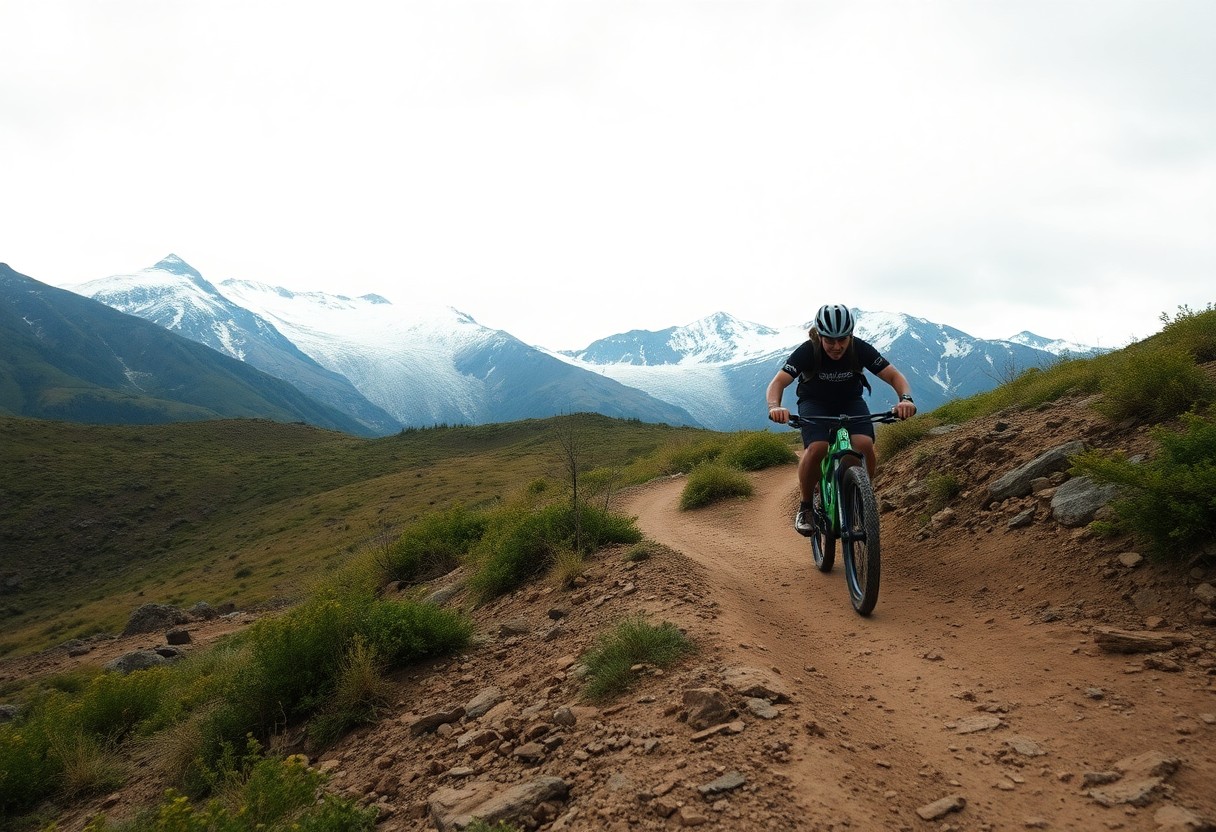
Despite the challenges climate change poses to mountain biking, technological advancements are helping you adapt and ride safer. Modern solutions combine environmental data, real-time monitoring, and digital tools to enhance your riding experience while protecting trails and ecosystems. These innovations allow you to make informed decisions about when and where to ride, helping maintain both safety and trail sustainability.
Trail Monitoring Systems
Beside your regular gear, smart trail monitoring systems now offer you real-time updates about trail conditions. These systems use sensors to track soil moisture, erosion levels, and trail usage patterns, helping you avoid damaged sections and preventing further deterioration. You’ll receive notifications about trail closures and maintenance needs through dedicated mobile apps.
Weather Prediction Tools
An array of specialized weather prediction tools now enables you to plan your rides with greater confidence. These applications combine local weather data with trail-specific information, providing you with accurate forecasts for your favorite riding spots.
With access to advanced meteorological data, you can now receive hour-by-hour predictions for specific trail segments. These tools analyze factors like precipitation probability, wind patterns, and temperature variations, allowing you to choose the best time for your ride and pack appropriate gear. Many apps also include historical weather data to help you identify seasonal patterns at your local trails.
Digital Resource Management
After selecting your route, digital resource management platforms help you track trail maintenance needs and coordinate with other riders. These systems allow you to report trail damage, share conditions updates, and participate in community-led conservation efforts.
Due to increasing environmental pressures, these digital platforms have become vital tools for trail networks. You can use them to schedule maintenance days, document repair work, and share resources with other riders. The platforms often include features for tracking volunteer hours, coordinating equipment loans, and managing restoration projects, making it easier for you to contribute to trail preservation efforts.
Policy and Advocacy
Not all changes in mountain biking trails stem from direct climate impacts. Policy decisions and advocacy efforts play a vital role in how you can access and protect riding areas. Your involvement in local trail organizations and understanding of environmental policies can help shape the future of the sport while promoting sustainable practices.
Land Use Regulations
Above all, your awareness of local land use regulations can determine where and how you ride. These policies often change in response to environmental concerns, requiring you to stay informed about trail access rights, seasonal closures, and permitted activities in your riding areas.
Conservation Efforts
Land management initiatives directly affect your riding experience. By participating in trail maintenance days and supporting conservation projects, you can help preserve riding areas while ensuring sustainable trail development that withstands changing climate conditions.
Understanding how conservation efforts impact your favorite trails helps you become a more engaged rider. Your support of local conservation groups, participation in trail building workshops, and knowledge of sustainable trail design principles can make a significant difference in preserving access to riding areas for future generations.
Government Engagement
Along with local advocacy, your voice matters in government decisions affecting mountain biking areas. You can influence policy by attending public meetings, submitting feedback on land management plans, and joining mountain biking organizations that represent riders’ interests at various government levels.
The relationship between government agencies and mountain biking communities shapes trail access and development. Your engagement in local politics, participation in public comment periods, and support of bike-friendly legislation can help create positive changes in trail management and access rights. Building strong partnerships with land managers and elected officials ensures your interests as a rider are considered in policy decisions.
Future Projections
Unlike previous decades, you’ll need to prepare for significant changes in mountain biking landscapes. Climate models predict more extreme weather patterns, affecting trail conditions and riding seasons. You can expect longer dry spells interrupted by intense rainfall, which will reshape familiar terrain and challenge traditional riding approaches.
Long-term Trail Sustainability
Longterm trail maintenance will require your increased attention as weather patterns shift. You’ll notice more frequent trail closures and reroutes as erosion accelerates. Your local trail networks will need enhanced drainage systems, reinforced surfaces, and strategic design elements to withstand climate pressures.
Sport Evolution
After analyzing current trends, you can see how mountain biking is adapting to changing conditions. Your riding season might shift to cooler months, while new technologies and trail designs emerge to combat weather extremes.
A shift in your riding habits will become necessary as the sport evolves. You’ll find yourself exploring new terrain types, using different tire compounds, and possibly investing in specialized gear for varying weather conditions. Your local bike parks might introduce artificial surfaces and covered trails to maintain year-round access.
Environmental Planning
By incorporating climate-conscious design, your trail systems will become more resilient. You’ll see more sustainable building techniques, water management systems, and adaptive trail features that can withstand environmental pressures while maintaining your riding experience.
And as you look ahead, your involvement in trail planning will become more valuable. You’ll need to work with land managers to develop climate-adaptive strategies, including seasonal rotation systems, advanced drainage solutions, and innovative surface treatments that protect both the environment and your riding experience.
To wrap up
Presently, you face a changing landscape in mountain biking as climate change reshapes your favorite trails and riding seasons. Your adaptation to these shifts will determine how you continue to enjoy the sport. By staying informed about local weather patterns, maintaining flexible riding schedules, and supporting trail conservation efforts, you can help preserve the trails for future rides. As temperatures rise and weather becomes more unpredictable, your understanding of these environmental changes will enhance your mountain biking experience and contribute to the sport’s sustainability.
FAQ
Q: How is climate change affecting mountain biking trails?
A: Climate change causes more frequent extreme weather events, leading to increased soil erosion, trail washouts, and landslides. Heavy rains and prolonged dry spells alter trail conditions, making previously stable paths unstable and requiring more frequent maintenance. This results in temporary or permanent trail closures and modified riding routes.
Q: What changes are mountain bikers experiencing in their riding seasons?
A: Riding seasons are becoming less predictable due to climate change. Warmer winters mean earlier spring thaws and extended fall riding periods, but summer heat waves can make midday riding dangerous. Some regions experience longer periods of trail closure due to excessive rainfall or drought conditions, forcing riders to adapt their schedules.
Q: How are bike parks and trail centers responding to climate change challenges?
A: Bike parks are investing in advanced drainage systems, sustainable trail building techniques, and weather-resistant materials. Many facilities now implement rotating trail systems to prevent overuse, develop all-weather trails, and create alternative routes for wet conditions. Some locations also extend their operating hours during cooler parts of the day.
Q: What gear adaptations are necessary for changing climate conditions?
A: Riders need more versatile equipment to handle variable conditions. This includes all-weather tires with adaptable tread patterns, improved waterproof gear, and bikes with greater mud clearance. Additional protective equipment is also necessary for unpredictable terrain, and hydration systems need to be upgraded for hotter conditions.
Q: How can mountain bikers help protect trails in changing climate conditions?
A: Mountain bikers can contribute by avoiding riding on wet trails, participating in trail maintenance days, supporting local trail organizations, and reporting trail damage promptly. Using sustainable riding techniques, staying on designated paths, and following trail closure notices also helps minimize environmental impact and preserve trail systems for future use.
Author

Auto Amazon Links: No products found.
CoreMuse Camping Water Container 2.1 Gallon Collapsible Water Jug with Spout – Reusable Plastic Flasks, Foldable Empty Gallon Jug for Water Storage, Water Bag for Outdoor Hiking Emergency Prep -1 Pack
$8.88 (as of November 1, 2026 01:53 GMT +00:00 – More infoProduct prices and availability are accurate as of the date/time indicated and are subject to change. Any price and availability information displayed on [relevant Amazon Site(s), as applicable] at the time of purchase will apply to the purchase of this product.)
FOCO NFL unisex-adult Nfl Team Logo 4-pack Reusable Grocery Shopping Bags Totes
$12.00 (as of November 1, 2026 01:53 GMT +00:00 – More infoProduct prices and availability are accurate as of the date/time indicated and are subject to change. Any price and availability information displayed on [relevant Amazon Site(s), as applicable] at the time of purchase will apply to the purchase of this product.)
Peak Refuel Chicken Alfredo Freeze-Dried Meal, 48g Protein, 2 Servings | 48g protein, 100% real meat, Non-GMO ingredients, No fillers, Freeze-dried, Just add water, 2 servings, Backpacking meal
(as of November 1, 2026 01:53 GMT +00:00 – More infoProduct prices and availability are accurate as of the date/time indicated and are subject to change. Any price and availability information displayed on [relevant Amazon Site(s), as applicable] at the time of purchase will apply to the purchase of this product.)
Sawyer Products SP128 Mini Water Filtration System, Single, Blue
$28.99 (as of November 1, 2026 01:53 GMT +00:00 – More infoProduct prices and availability are accurate as of the date/time indicated and are subject to change. Any price and availability information displayed on [relevant Amazon Site(s), as applicable] at the time of purchase will apply to the purchase of this product.)

Leave a Reply