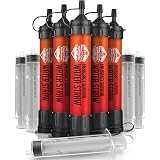
Practical Survival Reusable Emergency Water Filter Straws, 5-Pack | Lightweight, High-Capacity, 1800-Gallon Lifespan, No Expiration Date. For Camping, Hiking, Travel, Biking and Survival
(as of November 2, 2026 02:10 GMT +00:00 – More infoProduct prices and availability are accurate as of the date/time indicated and are subject to change. Any price and availability information displayed on [relevant Amazon Site(s), as applicable] at the time of purchase will apply to the purchase of this product.)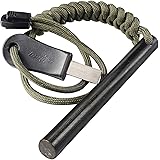
bayite 4″ Survival Ferro Rod Drilled Flint Fire Starter and Striker Kit | Ferrocerium Rod with Paracord Landyard Handle and Striker, 4″(Long) x 3/8″(Diameter)
(as of November 2, 2026 02:10 GMT +00:00 – More infoProduct prices and availability are accurate as of the date/time indicated and are subject to change. Any price and availability information displayed on [relevant Amazon Site(s), as applicable] at the time of purchase will apply to the purchase of this product.)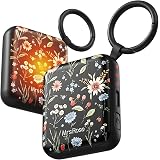
MrsRose Ultra Thin Rechargeable Hand Warmers 2 Pack with Carabiner Ring | Electric Hand Warmers, NTC Safety Control, 3 Heat Levels, Up to 7H Heating, Ultra Lightweight 55g, Winter Gifts for Christmas
$14.99 (as of November 2, 2026 02:10 GMT +00:00 – More infoProduct prices and availability are accurate as of the date/time indicated and are subject to change. Any price and availability information displayed on [relevant Amazon Site(s), as applicable] at the time of purchase will apply to the purchase of this product.)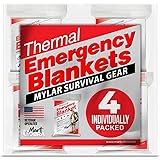
Emergency Blanket Mylar Thermal Space Survival Gear & Supplies 4-Pack Foil | Cold Weather Power Outage Camping Car Winter Storm Heat Reflective Hiking Backpacking Essentials First Aid Marathon Prepper
$8.99 (as of November 2, 2026 02:10 GMT +00:00 – More infoProduct prices and availability are accurate as of the date/time indicated and are subject to change. Any price and availability information displayed on [relevant Amazon Site(s), as applicable] at the time of purchase will apply to the purchase of this product.)
FBEE Rechargeable Hand Warmer, Ultra Thin Electric Hand Warmer with SafeWarm Temperature Control, Fast Heating Portable Pocket Warmer, Gifts for Men Women
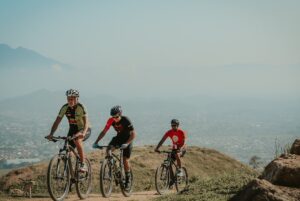
$19.99 (as of November 2, 2026 02:10 GMT +00:00 – More infoProduct prices and availability are accurate as of the date/time indicated and are subject to change. Any price and availability information displayed on [relevant Amazon Site(s), as applicable] at the time of purchase will apply to the purchase of this product.)Many seniors over 65 seek the joy and freedom that mountain biking brings, but choosing the right bike is vital for safety and comfort. This guide is designed to help you navigate the options available, highlighting the best mountain bikes that cater to your specific needs, balancing performance with ease of use. You’ll discover features to look for, along with our top picks that ensure you can enjoy the trails with confidence and reliability.
Key Takeaways:
- Focus on lightweight frames for easier handling.
- Consider bikes with low standover height for safer mounting and dismounting.
- Opt for features like step-through frames and adjustable components for comfort.
- Look for bikes with reliable suspension systems to absorb shocks on uneven trails.
- Evaluate gears and braking systems for ease of use and safety.
The Essential Features That Make the Best Mountain Bikes for Seniors
Choosing the right mountain bike involves understanding features that enhance comfort, safety, and performance. Look for frames designed for stability and easier handling, lightweight materials to reduce fatigue, and components that support a smooth ride over diverse terrains. Ergonomics play a significant role, ensuring that you can cycle with ease and confidence while minimizing strain on your body.

Frame Geometry: Comfort Meets Control
Frame geometry is key to a comfortable ride. Bikes with a relaxed geometry provide a more upright position, which can reduce strain on your back and neck. Features to look for include a shorter top tube and a longer wheelbase, promoting better stability and control, especially when navigating uneven terrain. A lower standover height also facilitates easy mounting and dismounting, enhancing your overall cycling experience.
Suspension Types: Balancing Smooth Ride and Stability
Suspension systems impact your ride quality by absorbing shocks from rough trails. Options like hardtail, which have front suspension only, offer efficiency and lighter weight, while full suspension models provide enhanced comfort on uneven surfaces. Your choice should reflect the types of trails you prefer, balancing the need for a smooth ride against the stability you require. Investing in the right suspension can lead to a more enjoyable experience on mountain trails.
| Suspension Type | Benefits |
| Hardtail | Lighter weight, lower maintenance, better efficiency on smooth trails |
| Front Suspension | Improves comfort and control on rough trails |
| Full Suspension | Offers superior shock absorption for varied terrains |
| Soft Tail | Combines benefits of both hardtail and full suspension |
| Rigid | Most lightweight but less comfortable on bumpy paths |
The choice between suspension types can significantly influence your riding experience. Hardtails are typically more efficient on flatter trails, making them a great option if you mostly ride on smooth paths. Full suspension bikes excel in absorbing bumps, providing greater comfort over rough terrain, making them ideal for trails with roots and rocks. Analyze your riding preferences and local trails to select the best type for your needs.
- Recognizing the impact of suspension on ride quality helps you make an informed decision.
| Consideration | Details |
| Your riding style | Choose based on how aggressive or casual you ride |
| Trail conditions | Understand the terrain you’ll mostly encounter |
| Budget | Quality suspension can impact the overall cost |
| Maintenance | Different systems require varying levels of upkeep |
| Personal comfort | Test different types to see what feels best |
- Recognizing the interplay of these factors will lead you to the right bike selection.
Top Picks: Unveiling the Best Mountain Bikes for Seniors
Your ideal mountain bike is just a few options away. The best models blend comfort, stability, and ease of use, allowing you to enjoy the trails without undue strain. Look for bikes designed specifically for seniors that feature ergonomic design, robust safety features, and adaptability to various skill levels. These selections stand out for their reliability and performance, ensuring an enjoyable ride, whether you’re a novice or an experienced cyclist.
Lightweight Wonders: Navigating with Ease
Lightweight mountain bikes are perfect for seniors who prioritize ease of handling. Opt for aluminum or carbon frames, as they offer durability without unnecessary weight. These bikes allow for effortless navigation, making steep climbs and technical descents more manageable. Features like wide tires and adjustable seat heights further enhance comfort and control on varying terrains.

Budget-Friendly Options: Quality Without Compromise
Finding a budget-friendly mountain bike doesn’t mean sacrificing quality. Brands today offer excellent entry-level models that pack performance and comfort into an affordable package. Look for these options that feature reliable components, comfortable seating, and straightforward maintenance to maximize your biking experience without breaking the bank.
The market is flooded with budget-friendly bikes that deliver solid performance and enjoyment. Models such as the Trek Marlin 5 and the Specialized Rockhopper offer excellent durability and comfort features at accessible prices, ensuring you can hit the trails without overspending. These bikes typically come equipped with responsive gears and quality suspension systems, providing a smooth ride while keeping maintenance costs low over time.
Premium Choices: Investing in Longevity and Performance
Investing in a premium mountain bike can enhance your riding experience significantly. These bikes often feature advanced technology, superior materials, and enhanced performance capabilities. Brands like Santa Cruz and Yeti offer high-quality frames, precision components, and outstanding warranties, empowering you to tackle tough trails with confidence.
Premium bikes often provide a significant upgrade in comfort and performance. For instance, models like the Santa Cruz Tallboy and Yeti SB130 are designed with innovative suspension systems that absorb shocks effectively, allowing you to ride longer distances without discomfort. The investment in these high-caliber bikes ensures durability, enabling you to enjoy years of outdoor adventures, making the price worthwhile over time.
Safety First: Enhancing Riding Confidence
Enhancing your riding confidence starts with prioritizing safety measures. Proper preparation and knowledge of best practices will not only improve your performance but also decrease the chances of accidents. With the right approach, you can fully enjoy your mountain biking experience while ensuring your safety at all times.
Essential Gear: Selecting Helmets and Protective Equipment
Your gear plays a significant role in ensuring your safety while mountain biking. Choosing a well-fitted helmet is non-negotiable; it should meet safety certifications and offer adequate ventilation. Additionally, consider wearing protective gloves, knee pads, and elbow pads that absorb impact, providing added security on rough terrains. Investing in quality gear will enhance your overall biking experience and confidence.
Tips for Safe Riding: Best Practices for Seniors
Adopting safe riding practices can significantly mitigate risks while enjoying your ride. Familiarize yourself with the terrain before biking, maintain a steady speed, and always stay aware of your surroundings. Focus on smooth braking and pedaling techniques to avoid accidents. Practice riding with a group or a partner for additional safety and motivation. After understanding and implementing these best practices, you’ll enhance not only your safety but also your overall enjoyment on the trails.
- Ride at a comfortable pace that allows for reaction time.
- Avoid overly steep or technical trails initially.
- Keep your bike regularly maintained for optimal performance.
- Communicate clearly with other riders in a group.
Staying safe while riding involves constant awareness and application of best practices. Pay attention to trail conditions and adjust your riding style accordingly, especially in wet or rocky areas. Make sure to stay hydrated and take breaks when needed, as fatigue can negatively impact your decision-making abilities. After consistently applying these tips, you will likely find yourself enjoying the trails with increased confidence and less apprehension.
- Stay visible to others, especially in low-light conditions.
- Use hand signals to communicate turns and stops.
- Plan your routes in advance to manage your physical limits.
- Ride in familiar areas until you’re comfortable in new terrain.
Maintaining Your Ride: Keeping Your Mountain Bike in Top Shape
Regular maintenance is key to ensuring your mountain bike delivers a safe and enjoyable riding experience. Simple care tasks not only extend the life of your bike but also help you ride with confidence. Regular cleaning, lubrication, and inspections can prevent larger issues down the road, ensuring that every ride is smooth and dependable.
Regular Checkups: Simple Maintenance Tips
Establish a routine maintenance schedule to keep your bike in peak condition. Some basic tasks include checking tire pressure, cleaning the chain, and inspecting brake pads. Perform these checks weekly or before longer rides:
- Inspect the tires for wear and proper inflation.
- Lubricate the chain to prevent rust and wear.
- Examine brakes for responsiveness and wear.
Perceiving small issues early can save you time and money on repairs.
When to Seek Professional Help: Knowing the Signs
Identifying when it’s time to consult a professional can make a significant difference in your bike’s performance. Unusual sounds, poor brake responsiveness, or difficulty shifting gears are red flags that signal a need for expert assistance. Additionally, if you notice a sudden change in ride quality or handling, seeking help sooner rather than later can prevent further damage.
Professional bike mechanics can provide insights into complex issues that you can’t address on your own. For instance, if your bike’s shifting is hesitant or erratic, it might indicate issues with the derailleur or cable tension—situations best handled by an expert. Regular professional tune-ups can also help catch problems before they escalate, ultimately enhancing your riding experience.
Inspiring Stories: Seniors Who Conquered the Trails
Many seniors have discovered the thrill of mountain biking, overcoming personal challenges to embrace the trails. For instance, 68-year-old Jane took up biking after retirement and completed her first 20-mile trail ride within six months. Similarly, 72-year-old Mike found a new passion after initially struggling with mobility issues, which he now manages better through regular biking. These inspiring stories showcase how seniors like you can break barriers and enjoy the beauty and adventure that mountain biking offers.
Transformative Experiences: Health and Wellness Benefits
Mountain biking significantly improves both physical and mental well-being for seniors. Regular cycling enhances cardiovascular health, builds muscle strength, and increases flexibility, making it easier for you to maintain an active lifestyle. Additionally, the mental health benefits, such as reducing stress and improving mood, can lead to greater overall happiness. Engaging in this activity not only transforms your body but also invigorates your spirit, leading to a more fulfilling life post-65.
Community Connections: Finding Fellow Enthusiasts
Joining a biking community opens doors to friendships and shared experiences, enriching your outdoor adventures. Look for local cycling clubs that welcome all skill levels, providing the perfect opportunity to meet like-minded individuals who share your passion. Participating in group rides or local events can connect you with others who inspire and motivate you, helping build a supportive cycling network that enhances your biking journey.
Local biking clubs often organize weekly rides or social gatherings, making it easy to forge connections with fellow enthusiasts. Many seniors report feeling a renewed sense of belonging after joining a group, as these clubs frequently focus on inclusiveness and camaraderie. Consider participating in community-organized events, such as charity rides or competitions, which attract a diverse range of cyclists and foster a shared love for the sport, ultimately enriching your cycling experience and creating lasting memories.
To wrap up
On the whole, selecting the best mountain bike for seniors over 65 involves considering your comfort, stability, and the bike’s features that cater to your specific needs. You should prioritize bikes with lightweight frames, easy-to-use gear systems, and suitable suspension for a smooth ride. Understanding your riding style and terrain preferences will further help you make an informed choice. With the right bike, you can enjoy the outdoors safely while enhancing your overall fitness and well-being.
FAQ
Q: What features should seniors look for in a mountain bike?
A: Seniors should consider features like a lightweight frame for easier handling, a low step-through design for ease of mounting and dismounting, wider tires for better stability, and a comfortable saddle. Additionally, smooth gear shifts and reliable brakes are important for safety.
Q: Are full suspension bikes better for seniors?
A: Full suspension bikes provide better shock absorption, which can enhance comfort on rough terrain. However, they tend to be heavier and more expensive. Seniors should weigh the benefits of comfort against the need for a lighter bike for easier handling.
Q: How do I choose the right size mountain bike?
A: Choosing the correct size involves measuring your inseam and comparing it to the bike’s frame size. A general guideline is to have a couple of inches of clearance when standing over the bike. Test rides are also beneficial to find the right fit and comfort level.
Q: What type of brakes are advisable for seniors?
A: Disc brakes are recommended for their strong stopping power and consistent performance under various weather conditions. They require less hand strength than traditional rim brakes, making them more suitable for seniors.
Q: How often should maintenance be performed on a mountain bike?
A: Regular maintenance is necessary. It’s advisable to check tire pressure, brakes, and gears before each ride. A more thorough inspection, including cleaning and lubricating the chain, should be done every few months or after significant use.
Author

Auto Amazon Links: No products found.

READYWISE Emergency Survival Food Supply Favorite Sample Bucket 120 Serving
(as of November 2, 2026 02:10 GMT +00:00 – More infoProduct prices and availability are accurate as of the date/time indicated and are subject to change. Any price and availability information displayed on [relevant Amazon Site(s), as applicable] at the time of purchase will apply to the purchase of this product.)
STANLEY IceFlow Flip Straw 2.0 Bottle, 24 oz, Honeydew Garden | Easy Carry Handle | Twist On Lid and Flip Up Straw | Lightweight Water Bottle | Insulated Stainless Steel | BPA-Free
$26.26 (as of November 2, 2026 02:10 GMT +00:00 – More infoProduct prices and availability are accurate as of the date/time indicated and are subject to change. Any price and availability information displayed on [relevant Amazon Site(s), as applicable] at the time of purchase will apply to the purchase of this product.)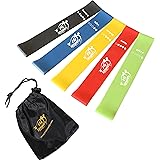
Fit Simplify Resistance Loop Exercise Bands with Instruction Guide and Carry Bag, Set of 5
$9.98 (as of November 2, 2026 02:10 GMT +00:00 – More infoProduct prices and availability are accurate as of the date/time indicated and are subject to change. Any price and availability information displayed on [relevant Amazon Site(s), as applicable] at the time of purchase will apply to the purchase of this product.)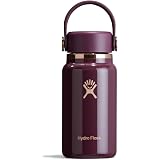
Hydro Flask Micro Bottle – Insulated Mini Leak Proof Flask for Purse or Pocket in 6.7 Oz Gloss Winterberry
$22.95 (as of November 2, 2026 02:10 GMT +00:00 – More infoProduct prices and availability are accurate as of the date/time indicated and are subject to change. Any price and availability information displayed on [relevant Amazon Site(s), as applicable] at the time of purchase will apply to the purchase of this product.)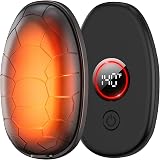
Leave a Reply