
Aquatabs Water Purification Tablets, 397mg 100 Pack, Camping & Emergency | Water Filtration System for Boating, Marine, Survival Kit. Easy-to-use purifier treatment for safe drinking water
$34.99 (as of September 18, 2026 23:16 GMT +00:00 – More infoProduct prices and availability are accurate as of the date/time indicated and are subject to change. Any price and availability information displayed on [relevant Amazon Site(s), as applicable] at the time of purchase will apply to the purchase of this product.)
Owala FreeSip Stainless Steel Water Bottle 24 oz Black Cherry
$29.99 (as of September 18, 2026 23:16 GMT +00:00 – More infoProduct prices and availability are accurate as of the date/time indicated and are subject to change. Any price and availability information displayed on [relevant Amazon Site(s), as applicable] at the time of purchase will apply to the purchase of this product.)
YETI Rambler 64 oz Bottle with Chug Cap, Olive/King Crab Orange | Vacuum Insulated, Leakproof, Stainless Steel Water Bottle
$65.00 (as of September 18, 2026 23:16 GMT +00:00 – More infoProduct prices and availability are accurate as of the date/time indicated and are subject to change. Any price and availability information displayed on [relevant Amazon Site(s), as applicable] at the time of purchase will apply to the purchase of this product.)
New Era NFL Men’s Grids Dri-Tek Cool Heathered Grey Long Sleeve T-Shirt, Adult Football Tagless T-Shirt
$26.99 (as of September 18, 2026 23:16 GMT +00:00 – More infoProduct prices and availability are accurate as of the date/time indicated and are subject to change. Any price and availability information displayed on [relevant Amazon Site(s), as applicable] at the time of purchase will apply to the purchase of this product.)
Barnesmith Hooded Sweatshirt, Unisex, Cotton/Poly Blend, Heritage Logo
$49.95 (as of September 18, 2026 23:16 GMT +00:00 – More infoProduct prices and availability are accurate as of the date/time indicated and are subject to change. Any price and availability information displayed on [relevant Amazon Site(s), as applicable] at the time of purchase will apply to the purchase of this product.)Trails in Big Bear Lake challenge you with steep climbs, rocky descents, and bike parks that demand precise suspension tuning. To tackle these unique terrains effectively, you need the right combination of suspension forks and rear shocks, whether you prefer Fox or RockShox, coil or air setups. Understanding local tuning and professional set-up options will help you improve your downhill confidence, reduce fatigue, and optimize your ride feel. This guide will equip you with the knowledge to enhance your mountain biking experience on Big Bear’s diverse trails.
Key Takeaways:
- Big Bear Lake’s trails feature unique terrain with steep climbs, rocky descents, and bike parks that demand versatile suspension setups.
- Choosing between air and coil suspension forks and rear shocks from brands like Fox and RockShox can significantly influence ride performance.
- Local tuning and professional suspension setup services are available to tailor your bike’s performance specifically for Big Bear’s trail conditions.
- Proper suspension adjustments help improve downhill confidence and reduce rider fatigue on challenging terrain.
- Optimized suspension enhances overall ride feel, making Big Bear Mountain’s trails more enjoyable and manageable.
Conquering Big Bear’s Unique Terrain
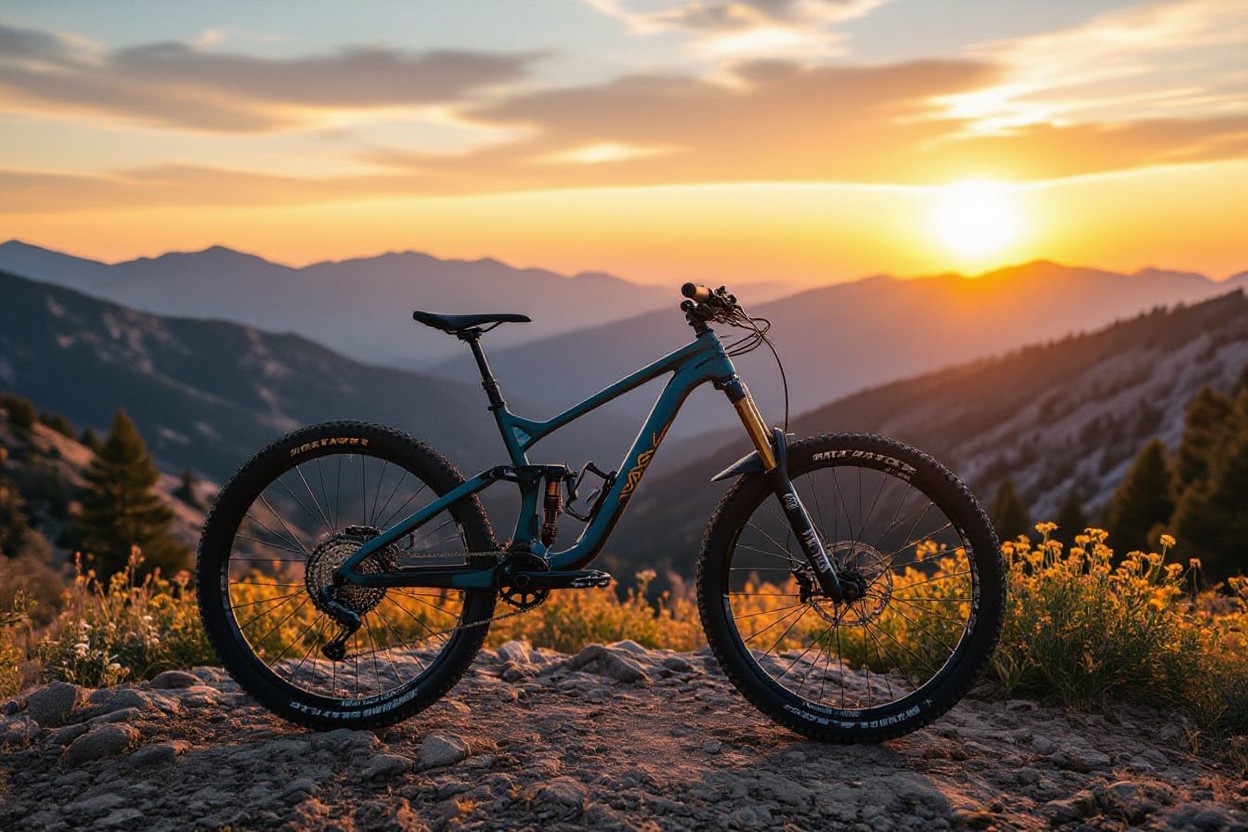
Big Bear Lake challenges your bike’s suspension with everything from steep climbs to rugged descents and technical bike parks. You’ll tackle tight switchbacks demanding efficient pedaling, while rocky sections require suspension that absorbs impact without sacrificing control. Local pro tuners often recommend balancing air forks with coil shocks for optimal feedback and support. This combo enhances your confidence on jagged terrain, minimizes fatigue over long runs, and sharpens your ride feel—letting you fully embrace Big Bear’s diverse and demanding trails.

Steep Climbs: Tuning for Ascent
Adjusting compression settings on your suspension improves power transfer during Big Bear’s steep climbs. A firmer air fork setup paired with a quick rebound keeps your bike planted and efficient, so pedaling stays smooth even on loose dirt or uneven roots. You can dial in your Fox or RockShox fork’s platform and lockout features to reduce energy loss, while maintaining enough compliance to glide over minor trail irregularities without sacrificing traction uphill.
Rocky Descents: Suspension Strategies for Safety
Maximizing control over Big Bear’s rocky descents means prioritizing plush suspension with balanced damping. Air forks paired with coil rear shocks soak up sharp impacts and technical drops, giving you confidence to charge with precision. Local riders often fine-tune low-speed compression to stabilize the bike without making it harsh, allowing the suspension to react swiftly to rapid terrain changes.
Boosting safety through suspension optimization on Big Bear’s rocky sections also involves calibrating rebound speed carefully—too fast and the bike bounces uncontrollably; too slow and you risk bottoming out on consecutive hits. Brands like Fox and RockShox offer custom tune kits to adjust shim stacks, letting you tailor dampening curves precisely. This setup reduces rider fatigue by preventing excessive energy loss, so you can maintain focus and speed throughout demanding downhill stretches.
Gear Choices: The Best Suspension Forks and Rear Shocks
The varied terrain of Big Bear Lake demands suspension that can handle both punishing descents and efficient climbs. Choosing the right combination of forks and rear shocks directly impacts your control on rocky sections and progression through tech climbs. High-performance models from Fox and RockShox offer options tuned for Big Bear’s conditions, with air or coil springs tailored to your riding style. Investing in quality suspension not only boosts your downhill confidence but also reduces fatigue, helping you maintain flow throughout long rides on these demanding trails.
Leading Brands: Fox vs. RockShox
Fox and RockShox dominate the mountain bike suspension market with distinct engineering philosophies. Fox often leads with plush, refined damping and extensive adjustability, exemplified by models like the Fox 36 and Float DPS that balance firmness and sensitivity for technical terrain. RockShox, with offerings like the Pike and Super Deluxe, provides robust, reliable performance at competitive price points, excelling in aggressive riding scenarios. Both brands offer suspension proven on Big Bear’s rocky descents and steep climbs, so your choice can hinge on preferred feel, tuning options, and after-sale services.

Coil vs. Air: Finding Your Float
Air suspension delivers lightweight adjustability perfect for varied Big Bear climbs, letting you dial in sag and rebound with ease. Coil springs, though heavier, provide consistent support and a linear feel that shines on high-speed descents and rough rock gardens. Riders favor air forks like Fox’s 36 Float for versatility, while coil shocks such as the RockShox Vivid coil find loyal users craving added plushness in steep, technical sections. Your terrain preference and riding style at Big Bear will reveal which spring type offers the best balance of traction and efficiency.
Diving deeper, air suspension allows you to quickly tailor spring rates by adjusting air pressure, offering dynamic response suited to Big Bear’s mix of climbs and descents. Coil springs maintain a uniform spring rate through their travel, often delivering more reliable bottom-out resistance during aggressive drops or bike park laps. Many riders combine an air fork upfront for lighter weight and easy tuning with a coil shock in the rear to maximize downhill control and reduce rider fatigue. Local tuning services in Big Bear can fine-tune this setup for your weight and trail preferences, unlocking optimal performance tailored for the region’s challenging terrain.
Custom Tuning Services: Elevate Your Performance
Fine-tuning your suspension to Big Bear’s demanding terrain transforms your ride, unlocking enhanced control and comfort on steep climbs and rocky descents. Professional tuning services adjust your Fox or RockShox forks and rear shocks—whether coil or air—to match your riding style and the park’s challenging features. These custom setups reduce fatigue by absorbing impacts more efficiently and boost downhill confidence through optimized damping and rebound settings. Personalized suspension adjustments help you maintain speed and stability throughout the varied trails, making every run smoother and more predictable.
Local Experts: Where to Get Professional Setup
Several shops in Big Bear specialize in suspension tuning, offering pro services tailored to the local terrain. Big Bear Bike Shop and Action Sports Bikes have experienced mechanics who focus on adjusting Fox and RockShox components to the lake’s signature steep and rocky trails. These experts provide sag adjustments, tune compression and rebound damping, and recommend coil or air setups based on your riding priorities. Booking a local tuning session ensures your bike is dialed in specifically for the terrain you’ll tackle, maximizing both comfort and control during your rides.
DIY Tuning Tips for the Adventurous Rider
If you prefer a hands-on approach, basic suspension tuning can make a big difference without professional tools. Start by setting your sag between 25-30% of total travel for downhill-focused rides. Adjust rebound speed to prevent your suspension from packing down too quickly on repetitive hits. Testing coil versus air shocks on the trail can reveal your preferred feel—coil often offers a more linear response, while air shocks allow easier tuning. The following checklist guides your adjustments:
- Measure sag with rider on bike and adjust air pressure or preload accordingly.
- Set rebound to moderate speed to avoid harsh bounces or sluggish return.
- Experiment with compression damping for firm support on climbs or plush comfort downhill.
- Inspect seals and lubricate stanchions regularly to maintain smooth function.
The right setup improves endurance by reducing energy lost to harsh impacts and enhances your ride’s responsiveness.
For adventurous riders, investing time in detailed DIY tuning can reveal subtle improvements that realign your suspension with Big Bear’s unique conditions. Tools like shock pumps and rebound adjuster knobs become imperative. Start by documenting baseline settings, then make incremental changes based on trail feedback. Testing each adjustment on specific terrain sections helps isolate the best configurations. For example, tightening compression on steep, rocky descents provides added control, while softening it on tech climbs improves traction. The process sharpens your mechanical intuition and deepens your connection to your bike’s behavior under varying loads and speeds.
- Keep a tuning log to track pressure, rebound, and compression settings across sessions.
- Practice small adjustments on familiar trails before tackling the bike parks.
- Use manufacturer guidelines for Fox and RockShox as a reference point.
- Maintain suspension cleanliness to avoid performance degradation.
The more you experiment, the better you’ll tailor your setup to your personal riding style and Big Bear’s terrain demands.
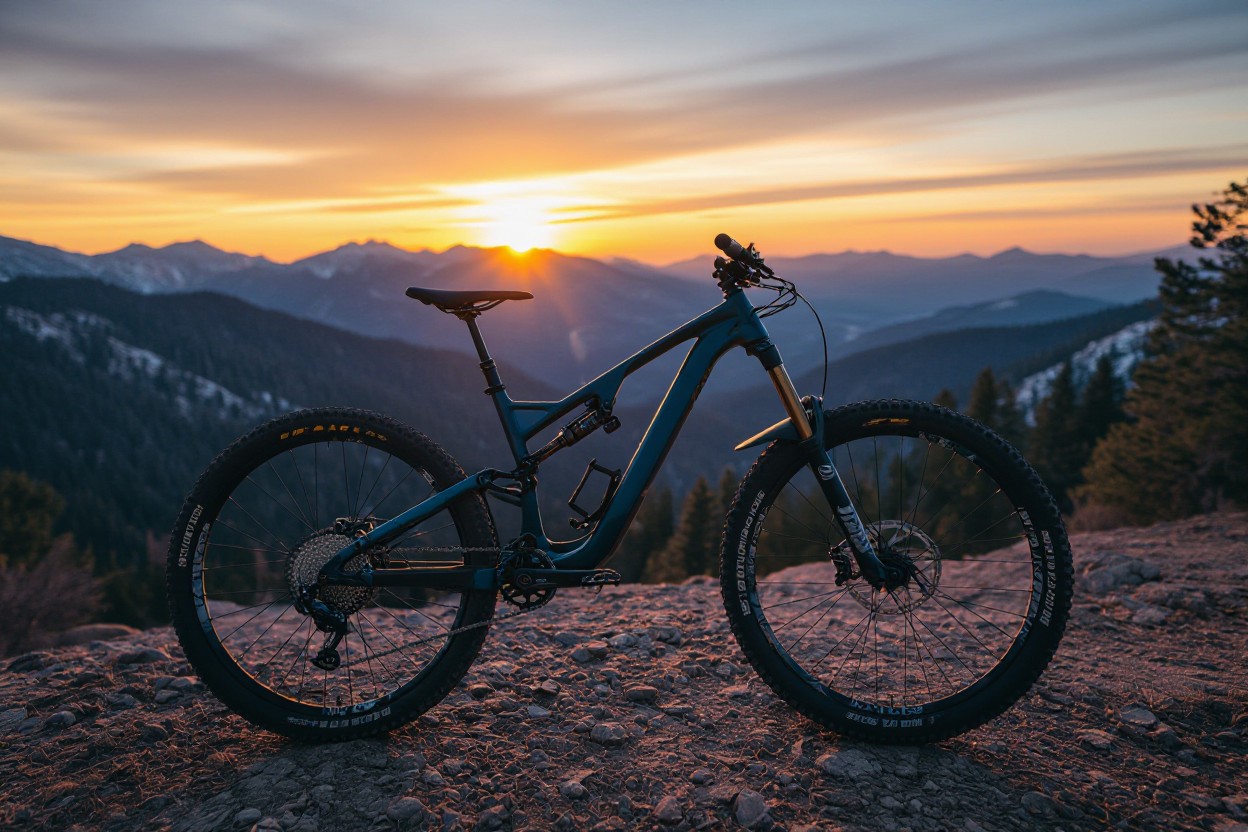
The Real Benefits of Optimized Suspension
Fine-tuning your suspension unlocks a new level of control and comfort on Big Bear’s demanding trails. Whether you choose Fox’s plush air forks or RockShox coil shocks, proper setup adapts your bike to handle both steep climbs and fast, rocky descents. This not only boosts your confidence on technical terrain but also minimizes fatigue during long sessions. With local pro tuning services tailoring your suspension to the lake’s specific trail features, you’ll experience a smoother ride that feels responsive and tailored, helping you push harder and ride longer without sacrificing feel or control.
Confidence on Downhills: Why Suspension Matters
Suspension that’s dialed in makes aggressive descents in Big Bear feel more manageable by absorbing sharp impacts from rocks and roots. A well-tuned Fox 36 or RockShox Lyrik fork, paired with a Coil or DebonAir rear shock, maintains traction and stability on unpredictable terrain. This enhanced grip lets you attack steeper lines with confidence rather than cautious hesitation, turning challenging sections into opportunities to improve your skills and enjoy the adrenaline rush with less risk of slipping or losing control.
Reducing Fatigue: The Key to Long Rides
Optimized suspension significantly reduces the physical toll on your body by smoothing out trail chatter and hard hits. When your bike absorbs shocks efficiently, your arms, legs, and core don’t have to work as hard to stabilize and absorb impacts. This energy conservation means you can tackle Big Bear’s demanding climbs and long descents without wearing down quickly, preserving strength throughout the ride for stronger finishes and better recovery between runs.
Studies indicate that advanced suspension setups can decrease rider fatigue by up to 30% compared to standard tuning, which is particularly noticeable on trails with relentless, rocky terrain like those at Big Bear Lake. Local professional tuners often adjust compression and rebound settings to match your weight, riding style, and the specific trail conditions, ensuring your bike’s suspension works seamlessly with your body. This personalized approach keeps your muscles fresher, allowing sustained focus and improved performance during back-to-back laps or extended uphill sections.
Real-World Rider Insights
You’ll find that riders who dial in their suspension specifically for Big Bear’s rugged terrain see a noticeable boost in both control and confidence. For example, many locals gravitate toward Fox 36 forks paired with RockShox Super Deluxe rear shocks, tuning air pressures to balance the sharp rocky descents with the quick, stiff uphill bursts. These setups reduce fatigue on longer trail days, letting you push harder without compromise. Pro shop services here refine those adjustments, ensuring your suspension matches your riding style and the park’s challenges perfectly.
Testimonials from Local Mountain Bikers
“Switching to a coil shock on my downhill bike made every rock garden feel smoother and gave me a ton more control on steep drops,” says Jake, a long-time Big Bear rider. Another local, Sarah, notes that custom tuning at the bike park helped stabilize her Fox fork on technical climbs and fast descents, significantly cutting down her arm pump and improving line choice. These riders attest that tailored suspension setups transform your ride experience on Big Bear’s demanding trails.
Lessons Learned on the Trails of Big Bear
Big Bear’s combination of rocky technical sections and sudden elevation changes pushed riders to experiment with stiffer springs and firmer compression settings. Adjusting rebound speeds proved key to maintaining traction on loose granite surfaces without sacrificing the suspension’s ability to absorb bigger hits. Many discovered that starting with a mid-range air pressure, then fine-tuning based on uphill performance and downhill feedback, offers the best all-around suspension feel.
Fine-tuning suspension after real trail laps quickly reveals how sensitive your setup needs to be to Big Bear’s terrain shifts. For instance, increasing compression damping on descents helps prevent bottom-outs on rock drops, while a slightly softer rebound keeps your tire planted over loose dirt. Riders often swap between coil shocks for aggressive downhill runs and lighter air shocks for long cross-country days. Seasonal adjustments also matter—spring’s wetter soils call for different tuning than dry summer conditions. Your suspension adaptation becomes a dynamic process, closely interconnected with trail feedback and your shifting riding goals.
Final Words
Hence, when you ride Big in Big Bear, selecting the right suspension setup tailored to the terrain enhances your overall experience. Whether you choose Fox or RockShox, coil or air, local tuning and professional adjustments ensure your bike handles steep climbs and rocky descents with confidence. By optimizing your suspension, you reduce fatigue and improve control, allowing you to focus on the thrill of the trail. Investing time in dialing in your suspension means every ride becomes smoother, safer, and more enjoyable for you on California’s challenging mountain trails.
FAQ
Q: What type of suspension fork is best suited for Big Bear’s steep climbs and rocky descents?
A: For Big Bear’s varied terrain, air suspension forks from brands like Fox and RockShox are highly recommended. They offer adjustable air pressure for fine-tuning your ride, making it easier to adapt between steep climbs and technical descents. Coil forks can provide a smoother feel on rough terrain but are generally heavier and less adjustable compared to air forks.
Q: How does choosing between coil and air rear shocks affect performance on Big Bear trails?
A: Air rear shocks offer great versatility and weight savings, allowing riders to easily adjust settings based on trail conditions. Coil shocks provide a more linear and consistent feel, which some riders prefer for the rocky and rough descents around Big Bear. The terrain’s mix of climbs and technical sections often makes air rear shocks a more popular choice due to their tunability.
Q: Are there local services available for suspension tuning and professional set-ups in Big Bear?
A: Yes, Big Bear has several local bike shops offering expert suspension tuning and professional set-up services. These services help dial in your suspension settings based on your weight, riding style, and the specific demands of Big Bear’s terrain, ensuring improved control and comfort on the trails.
Q: How can proper suspension set-up improve downhill confidence on Big Bear trails?
A: Proper suspension setup enhances traction and absorbs trail impacts more efficiently, allowing riders to maintain higher speeds with increased stability. This leads to greater confidence when navigating steep climbs and rocky descents, reducing the risk of losing control on challenging sections.
Q: In what ways does optimized suspension reduce rider fatigue during a day on Big Bear trails?
A: Optimized suspension smooths out trail chatter and lessens the impact of big hits, which decreases the physical strain on a rider’s arms and legs. By absorbing shocks more effectively, the suspension helps prevent early fatigue, enabling riders to enjoy longer, more enjoyable sessions on the mountain.
Author

Auto Amazon Links: No products found.
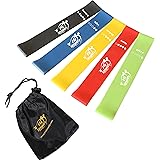
Fit Simplify Resistance Loop Exercise Bands with Instruction Guide and Carry Bag, Set of 5
$9.98 (as of September 18, 2026 23:16 GMT +00:00 – More infoProduct prices and availability are accurate as of the date/time indicated and are subject to change. Any price and availability information displayed on [relevant Amazon Site(s), as applicable] at the time of purchase will apply to the purchase of this product.)
Barnesmith Hooded Sweatshirt, Unisex, Cotton/Poly Blend, Heritage Logo
$49.95 (as of September 18, 2026 23:16 GMT +00:00 – More infoProduct prices and availability are accurate as of the date/time indicated and are subject to change. Any price and availability information displayed on [relevant Amazon Site(s), as applicable] at the time of purchase will apply to the purchase of this product.)
Momcozy BirthEase Pregnancy Ball Set, Birthing Yoga Ball with App Courses | BPA-Free, Anti-Burst, with Anti-Slip Base, Supports Pregnancy Stages & Postpartum with App-Guided Courses
$47.98 (as of September 18, 2026 23:16 GMT +00:00 – More infoProduct prices and availability are accurate as of the date/time indicated and are subject to change. Any price and availability information displayed on [relevant Amazon Site(s), as applicable] at the time of purchase will apply to the purchase of this product.)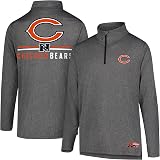
Ultra Game Men’s NFL Official Super Soft Quarter Zip Long Sleeve T-Shirt
$33.99 (as of September 18, 2026 23:16 GMT +00:00 – More infoProduct prices and availability are accurate as of the date/time indicated and are subject to change. Any price and availability information displayed on [relevant Amazon Site(s), as applicable] at the time of purchase will apply to the purchase of this product.)
Leave a Reply