
READYWISE Emergency Survival Food Supply Favorite Sample Bucket 120 Serving
(as of November 2, 2026 02:10 GMT +00:00 – More infoProduct prices and availability are accurate as of the date/time indicated and are subject to change. Any price and availability information displayed on [relevant Amazon Site(s), as applicable] at the time of purchase will apply to the purchase of this product.)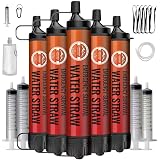
Lormandy Straw Water Filter 5 Pack – Outdoor Camping & Hiking Survival Gear | Family Use Ultra-Light Personal Filter Straws | Backpacking, Travel, Bug-Out Bags, Emergency Preparedness
$69.88 (as of November 2, 2026 02:10 GMT +00:00 – More infoProduct prices and availability are accurate as of the date/time indicated and are subject to change. Any price and availability information displayed on [relevant Amazon Site(s), as applicable] at the time of purchase will apply to the purchase of this product.)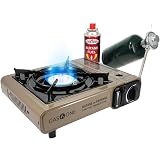
Gas One GS-3400P Propane or Butane Stove Dual Fuel Stove Portable Camping Stove – Patented – with Carrying Case Great for Emergency Preparedness Kit
$29.99 (as of November 2, 2026 02:10 GMT +00:00 – More infoProduct prices and availability are accurate as of the date/time indicated and are subject to change. Any price and availability information displayed on [relevant Amazon Site(s), as applicable] at the time of purchase will apply to the purchase of this product.)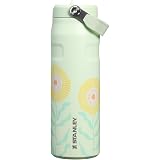
STANLEY IceFlow Flip Straw 2.0 Bottle, 24 oz, Honeydew Garden | Easy Carry Handle | Twist On Lid and Flip Up Straw | Lightweight Water Bottle | Insulated Stainless Steel | BPA-Free
$26.26 (as of November 2, 2026 02:10 GMT +00:00 – More infoProduct prices and availability are accurate as of the date/time indicated and are subject to change. Any price and availability information displayed on [relevant Amazon Site(s), as applicable] at the time of purchase will apply to the purchase of this product.)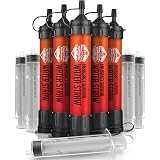
Practical Survival Reusable Emergency Water Filter Straws, 5-Pack | Lightweight, High-Capacity, 1800-Gallon Lifespan, No Expiration Date. For Camping, Hiking, Travel, Biking and Survival
(as of November 2, 2026 02:10 GMT +00:00 – More infoProduct prices and availability are accurate as of the date/time indicated and are subject to change. Any price and availability information displayed on [relevant Amazon Site(s), as applicable] at the time of purchase will apply to the purchase of this product.)Moab offers some of the most exhilarating mountain biking experiences in the world, and to make the most of your rides, you need the right gear. Whether you’re tackling slickrock trails or technical descents, having reliable equipment tailored to the unique demands of the area will enhance your performance and safety. In this guide, you’ll discover the top mountain biking vitals that Utah riders trust for navigating Moab’s rugged terrain with confidence and ease.
Key Takeaways:
- Moab’s challenging terrain demands durable and high-performance mountain bike gear tailored for desert conditions.
- Reliable suspension systems and wide, grippy tires are imperative for navigating rocky trails and slickrock formations.
- Hydration packs and protective gear are highly recommended to handle the dry, hot climate while ensuring rider safety.
- Local riders endorse brands known for toughness and versatility to maximize endurance and comfort during long rides.
- Maintaining and regularly tuning your bike is a top priority to prevent mechanical failures on remote trails.
Gear That Conquers the Wilderness
The rugged landscapes around Moab demand gear that can handle both the rough sandstone and loose dirt without faltering. Durable components paired with smart tech help you maintain control and comfort while pushing your limits on twisting trails or steep descents. From reinforced frames to breathable clothing, the right choices keep you balanced and protected as you explore the endless maze of canyons and slickrock expanses that define this iconic terrain.

Tires That Grip: The Key to Navigating Moab’s Terrain
Moab’s mix of slickrock and sandy patches calls for tires with exceptional grip and versatility. Tires with aggressive knobs spaced to shed dust and mud will enhance your traction, reducing slips on slick sandstone. Riders often recommend 2.3 to 2.6-inch width tires, which balance stability with the ability to roll quickly over rough surfaces. Specific models like Maxxis Minion DHF and DHR II are favorites among Utah’s riders for their proven performance on these demanding trails.
The Game-Changer: Why Dropper Posts Are Essential
Integrating a dropper post transforms how you handle Moab’s technical descents and sudden elevation changes. Quickly lowering your saddle lets you shift weight effortlessly and maintain better control on steep or exposed sections. Most riders opt for posts with 125-150 mm of drop, allowing a wide range of movement without compromise on climb efficiency. Brands like RockShox and Fox dominate this space, offering reliable, smooth operation that stands up to Moab’s abrasive terrain.
Diving deeper, dropper posts reduce the need to dismount when transitioning between climbing and descending, boosting your flow and confidence. The internal cable routing and durable seals on top-tier models prevent dirt and grit from impeding performance in harsh Moab conditions, which means fewer mechanical issues on long rides. You gain freedom to dynamically adjust saddle height on-the-fly, adapting constantly to the terrain without breaking momentum or sacrificing safety.
Staying Hydrated: Choosing the Right Packs for Long Rides
Long rides across ever-changing elevations require smart hydration solutions that keep your water accessible without slowing you down. Packs that combine a hydration bladder with ample storage for tools, snacks, and layers ensure everything stays handy on demanding trails. Packs around 8-12 liters strike a balance between capacity and weight. Popular options like the CamelBak M.U.L.E. and Osprey Raptor provide ergonomic designs with ventilated backs, reducing sweat build-up during strenuous climbs.
Going further, selecting a hydration system with a bite valve that’s easy to use on the move lets you sip without losing focus or momentum. Many riders prefer insulated bladders to keep water cool in Utah’s desert heat, staying refreshed hour after hour. Adjustable straps and stabilizers reduce pack bounce, enhancing comfort and stability when powering through technical or bumpy sections. Efficient water management paired with rugged storage spaces means you’ll stay fueled and ready to conquer any trail Moab throws your way.

Finding Your Gear: Local Experts at Your Service
In Moab, tapping into the local MTB community unlocks access to gear perfectly suited for the unique desert terrain. The town’s seasoned bike shop owners and guides don’t just sell equipment; they offer personalized recommendations shaped by years of firsthand experience. Whether you need a suspension tweak or advice on the ideal tire pressure for Slickrock’s sandstone, these experts tailor solutions that help you squeeze every bit of performance and durability from your kit.
The Must-Visit Bike Shops of Moab
Moab Cycle and Gearheads are top picks, known for stocking everything from high-end mountain bikes to trail-tested components. Their skilled tech teams excel at customizing setups specific to the area’s challenging trails, while also offering detailed trail advice. Pinion Bike Co. stands out for its commitment to locally sourced gear and eco-conscious products. Each shop doubles as a hub of insider knowledge, ensuring your setup can tackle Moab’s slickrock, slick singletrack, and exposed ridges.
Top Rental Services for Your Adventure Needs
Moab Rentals and Canyonland Cycles make accessing premium bikes and gear effortless, especially if you’re traveling light. They offer a range of fully serviced mountain bikes, from nimble trail bikes to robust downhill rigs, all regularly tuned to handle Moab’s notorious terrain. Rental packages often include helmets, hydration packs, and GPS navigation tools, equipping you comprehensively without the burden of extra gear luggage.
The convenience of these rental services goes beyond just the gear. Many provide guided tours coupled with expert advice, allowing you to match bike choice precisely to your skill level and trail goals. Some even offer flexible return options and shuttle services that simplify logistics, freeing you up to focus fully on embracing the iconic red-rock landscapes. These rentals are tailored to ensure you spend more time riding and less time worrying about equipment or transport.
Voices from the Trails: Rider Experiences and Insights
Riders who tackle Moab’s rugged terrain often share valuable tips that only come from firsthand experience. You’ll hear about how specialized tires like the Maxxis Minion DHR II transform tricky slickrock descents into manageable, confident rides. The community also recommends gear tweaks such as adding foam grips for better wrist support during long, technical climbs. These insights evolve every season, reflecting not just personal preference but genuine responses to Moab’s ever-shifting trail conditions.
Testimonials on Game-Changing Gear
Many seasoned riders credit the RockShox Pike fork for its smooth performance on choppy sections, allowing greater control without sacrificing speed. Others swear by dropper posts like the OneUp Components V2 for navigating quick elevation changes seamlessly. One rider mentioned how switching to tubeless tires instantly reduced flats on cactus-strewn paths, making all the difference during extended day rides.
Lessons Learned from Moab’s Unique Challenges
Moab’s unpredictable weather and sharp slickrock force you to adapt both your riding style and your gear setup. For instance, restoring traction during sudden rain involves swapping to softer compound tires early in the day. Also, carrying a compact multitool and extra sealant becomes second nature after encountering multiple mechanical issues miles from the nearest bike shop.
The desert’s drastic temperature swings—from scorching midday heat to chilly evenings—push riders to layer effectively and adjust hydration strategies accordingly. Its notorious iron oxide dust coats components relentlessly, prompting frequent cleaning to maintain performance. Understanding these challenges shapes how you plan rides and prepare your gear, ensuring you remain safe and in control on every trail.

Performance Beneath the Sun: Maximizing Gear Efficiency
Maximizing your gear’s performance under Moab’s blazing sun hinges on selecting materials designed to withstand intense UV exposure and temperature fluctuations. Lightweight yet durable fabrics, reflective coatings, and breathable designs keep your body cool, while components like anodized aluminum handlebars and ceramic bearings reduce friction and improve efficiency. Tailoring your setup to these conditions not only enhances comfort but also extends ride time, allowing you to push your limits on sun-drenched trails.
The Role of Quality Gear in Injury Prevention
High-quality gear functions as your first line of defense against injuries, particularly in rocky, uneven terrain like Moab’s. Helmets with advanced impact absorption technology, gloves with reinforced palms, and knee pads fitted with shock-absorbing gels minimize damage from falls and abrasions. Precision in fit and ergonomic design ensures that your gear moves naturally with you, reducing fatigue and the risk of strain injuries during intense rides.
Ensuring Longevity: Gear Maintenance Tips for Harsh Environments
Dust and grit are relentless enemies of your MTB gear, especially in Moab’s desert environment. After each ride, thoroughly clean your bike frame and drivetrain with gentle, non-corrosive solutions to remove abrasive particles. Lubricate the chain regularly with dry lube to prevent dirt accumulation and inspect suspension seals for cracks. Protective gear should be rinsed to clear salt and sand residues that degrade fabric fibers and foam padding.
- Rinse off dirt using a hose with moderate pressure to avoid damaging delicate parts.
- Apply lubricants specifically formulated for dry, dusty conditions to maintain drivetrain precision.
- Store gear in a cool, shaded area to prevent UV damage and material degradation.
- Thou should schedule a professional tune-up at least twice a season to catch hidden wear and tear.
The abrasive nature of desert sands accelerates wear on your bike’s moving parts and protective gear. Regular maintenance routines tailored to these conditions extend equipment life and maintain peak performance. Checking bearing play, inspecting tire sidewalls for cracks after trail exposure, and ensuring suspension components remain properly sealed keeps your bike trail-ready. For protective apparel, washing with gentle detergents that remove accumulated sweat and dirt prevents material breakdown. Practicing these habits preserves investment in gear designed to endure Moab’s unique challenges, ensuring safety and enjoyment on every ride.
- Inspect brake pads after long rides to detect sand-induced wear early.
- Use microfiber towels to dry electronic components, preventing corrosion.
- Rotate tires regularly to equalize wear stemming from uneven terrain stress.
- Thou should keep a detailed maintenance log to identify recurring issues and optimize care.
Conclusion
Hence, conquering Moab’s diverse and challenging trails requires you to equip yourself with reliable mountain biking gear tailored to the unique terrain of Utah. By investing in top-rated tires, durable protective gear, and efficient hydration systems, you enhance your performance and safety. Your choice of lightweight, responsive bikes and versatile tools will ensure you tackle every trail with confidence. Embracing these necessarys not only elevates your riding experience but also allows you to fully enjoy the breathtaking landscape Moab offers. Equip yourself wisely, and your adventures in Moab will be nothing short of exceptional.
FAQ
Q: What type of mountain bike is ideal for riding in Moab, Utah?
A: Riders often prefer full-suspension mountain bikes when navigating Moab’s rugged terrain. These bikes provide enhanced comfort and control over rocky and technical trails, which are common in the area. However, hardtail bikes can also be suitable for less technical routes or riders looking for a lighter setup.
Q: Which helmet features are most important for Moab mountain biking?
A: A helmet with good ventilation, a secure fit, and MIPS (Multi-directional Impact Protection System) technology is highly recommended. Ventilation helps keep riders cool in the often warm Moab climate, while MIPS provides extra protection in case of angled impacts common in mountain biking crashes.
Q: What kind of tires work best for Moab’s trails?
A: Tires with aggressive tread patterns and a good balance between grip and rolling resistance perform well in Moab. Many riders opt for wider tires, typically in the 2.3 to 2.5-inch range, for better traction on sandstone and loose dirt without sacrificing too much speed.
Q: Are hydration systems necessary when riding in Moab?
A: Due to the dry and often hot environment of Moab, staying hydrated is important. Many riders use hydration packs or bottles with easy access to water during rides. Hydration packs also offer the added benefit of carrying crucial tools and snacks.
Q: What clothing and protective gear should riders consider for a Moab mountain biking trip?
A: Lightweight, moisture-wicking clothing helps keep riders comfortable in the heat. Additionally, protective gear such as gloves, knee pads, and sometimes elbow pads can help prevent injuries on challenging trails. Sunglasses with UV protection are also recommended to shield eyes from the intense sun and dust.
Author

Auto Amazon Links: No products found.
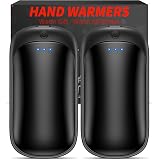
Lerat 2 Pack Hand Warmers Rechargeable, Portable Electric Hand Warmers Reusable, Portable Pocket Heater, Gifts for Men Women Kids, Hunting, Golf, Camping Accessories
$11.99 (as of November 2, 2026 02:10 GMT +00:00 – More infoProduct prices and availability are accurate as of the date/time indicated and are subject to change. Any price and availability information displayed on [relevant Amazon Site(s), as applicable] at the time of purchase will apply to the purchase of this product.)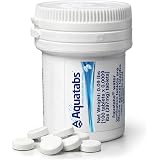
Aquatabs Water Purification Tablets, 397mg 100 Pack, Camping & Emergency | Water Filtration System for Boating, Marine, Survival Kit. Easy-to-use purifier treatment for safe drinking water
(as of November 2, 2026 02:10 GMT +00:00 – More infoProduct prices and availability are accurate as of the date/time indicated and are subject to change. Any price and availability information displayed on [relevant Amazon Site(s), as applicable] at the time of purchase will apply to the purchase of this product.)
Sawyer Products SP129 Squeeze Water Filtration System w/Two 32-Oz Squeeze Pouches, Straw, and Hydration Pack Adapter
$45.95 (as of November 2, 2026 02:10 GMT +00:00 – More infoProduct prices and availability are accurate as of the date/time indicated and are subject to change. Any price and availability information displayed on [relevant Amazon Site(s), as applicable] at the time of purchase will apply to the purchase of this product.)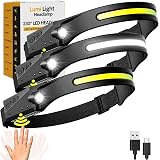
LED Headlamp Rechargeable Flashlight | LED Headtorch, Rechargeable 230 Wide Angle Beam Headlight, 4 Light Modes Adjustable Waterproof Head Lamp with Motion Sensor
(as of November 2, 2026 02:10 GMT +00:00 – More infoProduct prices and availability are accurate as of the date/time indicated and are subject to change. Any price and availability information displayed on [relevant Amazon Site(s), as applicable] at the time of purchase will apply to the purchase of this product.)
Leave a Reply